


Virtual · April 22–23, 2026
Better Workplace Conference 2026
Wellbeing as a Strategy: Your Roadmap for Success
Reimagine the Future of Work
Canadian workplaces are at a defining moment. Leaders face mounting challenges: an economy demanding more with less, burnout that is rarely just individual and often structural, leadership gaps in distributed teams, rising mental health concerns, and technology that’s transforming work faster than organizations can adapt.
The way we work has fundamentally changed—and traditional wellness programs fail because they treat symptoms, not systems.
BWC 2026 is the national platform where wellness and organizational effectiveness intersect to create resilience and results. This isn’t about perks. It’s about designing a future with a new mindset: advancing wellbeing as a strategic lever for success by embedding it into work design, culture, and leadership.
What You’ll Experience
This virtual event is designed to help you tackle your most urgent workplace challenges, offering insights, strategies, and practical tools to build resilient, healthy and high-performing organizations. Access your roadmap to transformation through:
- Exclusive research insights: Hear from experts on the latest research defining today’s workplace.
- Dynamic keynotes and lived experience spotlights: Learn from trailblazing leaders and employees whose stories challenge conventional thinking and inspire practical approaches you can bring back to your organization.
- Hands-on collaborative sessions: Participate in interactive sessions that go beyond theory to help you build frameworks, test ideas, and leave with tools you can apply immediately.
- Peer showcases and networking: Connect with leaders from across sectors to share what’s working, what’s next, and how to navigate common challenges.
- Pre-event engagement: The learning starts before the conference! Join us for thought-provoking webinars and timely conversations that spark ideas, offer fresh perspectives, and set the stage for deeper engagement during the main event.
Expect evidence-based insights, real-world case studies, and useful tools to embed wellbeing into your organizational strategy.
Conference Themes
Each session is anchored in one of four interconnected themes that address today’s biggest challenges and point toward solutions:
| From work design to measurable impact | Leading in flexible and distributed work models | Mental health and wellbeing | Technology, AI, and the human-centred future of work |
|---|---|---|---|
| Wellbeing starts with how work is designed. This track combines practical strategies for reducing systemic strain with evidence-based tools to measure progress and make wellbeing a strategic lever for organizational success. | Flexibility is here to stay, but culture, belonging, and wellness suffer without strong leadership and intentional design. This track equips leaders to close gaps and create strong, connected teams. | Wellbeing is multidimensional, spanning mental health, psychological safety, diversity, equity, inclusion, and financial security. This track explores practical strategies and inclusive policies that reduce risk, strengthen resilience, and create cultures where people can thrive. | Technology is transforming work at breakneck speed. This track helps leaders balance innovation with humanity, leveraging tech to support wellbeing interventions, predict and prevent strain, and prepare organizations for future capability needs. |
What’s New This Year
The 2026 Better Workplace Conference is evolving, with a refreshed look and a sharper focus. This year’s program is designed for impact: two days of dynamic sessions built around core themes that deliver clear, actionable insights to help you embed wellbeing into your organizational strategy and create a roadmap for lasting change.
We’re also debuting a new name. While the conference may look different, our legacy remains the same. For more than a decade, we’ve led this national flagship conference with the expertise and experience needed to deliver a proven, high-impact event.
Who Should Attend
This event is designed for:
- HR and people leaders shaping culture and wellbeing strategies;
- executives and senior leaders driving organizational performance and resilience;
- operations and strategy leaders focused on workforce effectiveness;
- innovators and researchers exploring systemic solutions for workplace health.
Whether you’re driving implementation or shaping strategy, BWC 2026 will equip you to lead with purpose, impact, and confidence.
Keynotes
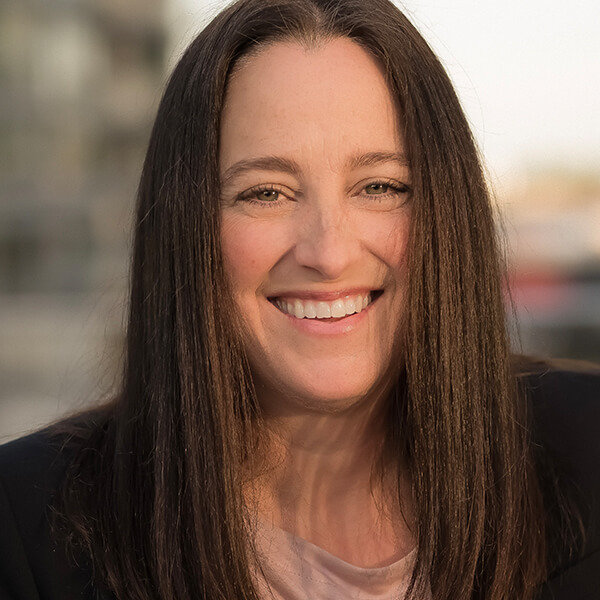
Andrea Adams
HR Consultant, Host of The HR Hub podcast
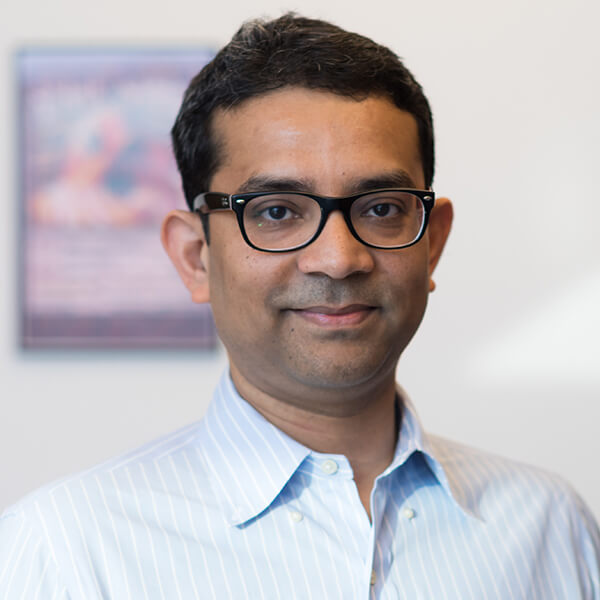
Dr. Raj Choudhury
Professor of Organisational Behaviour, London School of Economics and Political Science (LSE)
Agenda
Please note: All agenda times are in Eastern Standard Time. See what time that is for you.
The Reset
11:00 am
Join us as we open the conference with a holistic understanding of wellness—one that recognizes the interconnected roles of mental and emotional wellbeing, financial health, social connection, community, and work–life balance. We’ll acknowledge how inclusion and belonging shape every aspect of the wellness journey and why no single path works for everyone. This opening moment will ground us in a shared understanding: that when employees feel supported, valued, and able to show up as their full selves, organizations see measurable gains in engagement, productivity, and performance.
Speaker

Alana Painter
Director, Human Capital, Signal49 Research
11:15 am
Inspirational keynote
Canadian workplaces are at a tipping point. Burnout, leadership gaps, and rapid technological disruption have exposed structural flaws in work design. These challenges aren’t about individual resilience—they’re rooted in systems that no longer fit today’s realities. This keynote will reframe wellbeing as a strategic lever for organizational success. We’ll explore why traditional programs fail, the evidence behind systemic burnout, and the critical shift from perks to integrated systems built on work design, culture, and leadership.
Participants will learn how to:
- Recognize structural drivers of burnout and their business impact.
- Understand why wellbeing must move from programs to systems.
- Identify foundational steps to redesign work for resilience.
Moderator
Alana Painter
Director, Human Capital, Signal49 Research
Keynote Speaker

Dr. Raj Choudhury
Professor of Organisational Behaviour, London School of Economics and Political Science (LSE)
12:00 pm
Break
12:15 pm
Invisible work—tasks that keep teams running, but rarely show up in role descriptions or performance reviews—disproportionately falls on women, caregivers, and marginalized employees, accelerating burnout and inequity.
Join us for a lived-experience spotlight followed by an expert-led session that will share practical ways organizations can identify, surface, and redistribute this hidden workload through intentional operating-model changes. Participants will look at real examples and walk away with concrete tools to rebalance responsibility, reduce strain, and make fairness measurable over time.
People analytics has the potential to unlock powerful insights that improve performance, equity, and decisionmaking. But without intentional, ethical design, it can quickly erode trust and compromise privacy. This expert-led session will explore how organizations can build people analytics practices that are transparent, responsible, and aligned with organizational values. Participants will examine practical approaches to drafting responsible analytics policies, establishing clear guardrails for ethical data use, and engaging employees with openness and clarity about how data is collected and applied. Attendees will leave with concrete tools to balance insight with trust, ensuring people analytics strengthens—rather than undermines—culture and accountability.
Moderator

James Lannigan
Senior Research Associate, Innovation & Technology, Signal49 Research
Speakers

Paula Allen
Global Leader and Vice President, Research, Insights, and Strategic Communications, TELUS Health
Ehsan Etezad
Organizational Psychologist, PhD(c), Co-Founder & CEO | MEUS Science corp.
High performers often mask early signs of strain, carrying hidden workloads that quietly escalate into burnout and costly turnover. While these risks undermine performance, many organizations lack the structures, policies, or analytics needed to identify issues before they become crises. This session will explore the systemic drivers that place disproportionate pressure on top talent and highlight strategic approaches that protect performance without reinforcing overextension.
Participants will learn how to:
- Identify organizational and policy blind spots that contribute to burnout in highperforming talent.
- Use workforce insights and risk indicators to detect strain earlier and more accurately.
- Implement systemic, sustainable interventions that preserve both wellbeing and performance.
Speaker

Dr. Tomi Mitchell
Family Physician, Keynote Speaker, Wellness & Performance Coach
1:15 pm
Interactive Break
1:45 pm
Many organizations recognize that wellbeing influences performance, yet efforts to support workers often stall because traditional metrics fail to capture the operational realities affecting employee experience. One critical factor consistently overlooked is time: not hours worked, but the loss of time caused by misalignment, friction, and work environments that consume energy faster than employees can restore it. When this unseen time loss accumulates, it drives burnout, slows decision‑making, and increases retention risk.
This session introduces a practical measurement framework that positions time as a core wellbeing indicator, linking employees’ lived experience directly to productivity, operational flow, and workforce stability. HR and business leaders will learn a structured approach to identify where time is being lost, how it affects performance, and how returning that time to employees can strengthen their focus, effectiveness, and overall wellbeing.
Moderator
Alana Painter
Director, Human Capital, Signal49 Research
Speaker

Mina Johl
Founder & CEO, Purple Wins
2:15 pm
Break
2:30 pm
Burnout and mental strain are often connected to the structure of work itself. To address this, mental health must be considered within daily tasks. This expert-led workshop-style session will explore how workflows can be redesigned to include mental health supports within the architecture of work, thereby reducing strain and enabling recovery.
Participants will learn how to integrate micro‑recovery moments, support pathways, and lightweight measures of impact into daily work, and will leave with practical tools and a clear approach to redesigning work that sustains performance while protecting mental health.
Speakers

Michael Cooper
Vice-President, Data and Partnerships Mental Health Research Canada (MHRC)

Leora Hornstein
Well-being Specialist at Cenovus Energy
Work culture often glorifies overwork, viewing packed calendars and exhaustion as badges of honour that signal commitment and value. At the same time, organizations and leaders struggle to balance achieving bottom-line goals with working sustainably, creating operational friction and team burnout. In this fireside chat, presenters will unpack the hidden costs of glorifying grind culture and introduce wisdom and science-backed approaches to reimagining work and designing cultures that align ambition and the bottom line with team member wellbeing and performance.
Participants will learn how to:
- Reset attitudes and approaches to work that don’t serve the business or people.
- Identify the signs of burnout culture and learn how to address them.
- Redesign organizational approaches to increase output without increasing stress.
- Reduce the drivers of sick leave, stress leave, and employee attrition.
- Build dynamic, creative teams doing their best work.
- Develop new performance measures that reinforce a sustainable pace.
Speakers

Chantaie Allick
Co-Founder, ReWork

Natasha Singh
Co-Founder, ReWork
Financial stress and income insecurity are among the most persistent—and least visible—drivers of employee mental health strain. When people are worried about making ends meet, managing debt, or navigating unpredictable costs, the result is often exhaustion, anxiety, and reduced cognitive bandwidth at work.
In this session, employees and employers will explore how financial insecurity can show up as disengagement, absenteeism, and lower productivity. Participants will gain insight into both the employee experience and the organizational impact, and learn practical ways to support financial wellbeing and create a more stable, focused, and engaged workforce.
Speaker

Elke Rubach
President and Founder, Rubach Wealth Holistic Family Advisors™
3:15 pm
Break
3:30 pm
Distributed work can fracture team cohesion, often leaving employees feeling disconnected and disengaged. Leaders need to embrace intentional practices to rebuild trust and belonging. This lab will explore how rituals and rhythms can restore connection and psychological safety in dispersed, hybrid or remote work models.
- Participants will learn how to:
- Inventory current rituals and identify gaps in connection.
- Prototype low-cost, high-impact team rhythms.
- Launch a pilot plan and measure engagement effects.
The Roadmap
11:00 am
Join us to reflect on the insights, conversations, and moments that shaped yesterday’s sessions as we open day two of the conference. Together, we’ll revisit the key themes and learnings that brought us to this point, grounding ourselves in the collective progress we’ve made. From that reflection, we’ll shift our attention to today’s intention—a day designed to synthesize ideas, deepen connection, and chart forwardlooking action. This opening session will help us recentre, reenergize, and prepare for a meaningful close to our shared experience.
Speaker
Alana Painter
Director, Human Capital, Signal49 Research
11:15 am
Work is evolving faster than most organizations can comfortably absorb. While leadership strategizes, employees are often navigating change in their own ways: sometimes stepping back, sometimes adapting quietly when they’re unsure how their perspectives will be received. Their silence is an indicator that many workplaces are struggling to build the trust, clarity, and connection people need to navigate continuous transformation.
The challenge ahead isn’t just about technology or skills—it’s about the foundational human work that organizations have been putting off. Burnout was rising long before the latest wave of change. While many organizations invest in wellness programs, few address the leadership behaviours and systems that create strain in the first place. New tools and pressures are arriving in a landscape where people are already depleted.
Drawing on years of industry expertise and experience leading organizations through disruption, our keynote speaker will explore what it will take for workplaces to meet this new era with confidence. Learn how employers can build trust, strengthen relationships, and create environments where people feel safe leaning into change, rather than bracing against it. These same practices not only prepare organizations for what’s coming, but also create cultures where people can truly be well.
Moderator
Alana Painter
Director, Human Capital, Signal49 Research
Speaker

Andrea Adams
HR Consultant, Host of The HR Hub podcast
12:00 pm
Break
12:15 pm
The rapid shift to remote and hybrid work has led many organizations to adopt monitoring tools that unintentionally undermine trust, autonomy, and workplace culture. As leaders, the challenge is no longer about visibility—it’s about accountability and meaningful oversight. This session will explore how managers can move from activity-based oversight to outcome-driven leadership that supports both performance and engagement. Participants will learn from expert practitioners how to define clear outcome agreements, replace monitoring with meaningful, results-focused check-ins, and apply trust-building techniques that strengthen accountability while sustaining a healthy, high-performing culture.
Moderator

Debra Burke
Lead Council Manager, Signal49 Research
Speakers

Beata Chami
Organizational Psychologist, Executive Coach, Mediator and Researcher

Neil Seeman
Senior Fellow and Associate Professor at the University of Toronto’s Institute for Health Policy, Management and Evaluation, Board Member of Mental Health Research Canada
Reliance on unwritten expectations, complex processes, and cognitive overload limit both performance and wellbeing and unintentionally exclude neurodivergent employees. This interactive lab will invite leaders to rethink how work is designed, not how people adapt. Participants will explore practical ways to redesign workflows, tools, and supports to reduce cognitive load and better enable diverse thinkers. Using a structured redesign canvas, attendees will learn how to create effective job aids and identify measures that link cognitive inclusion to improved engagement, performance, and outcomes.
Moderator

Jennifer Fane
Lead Research Associate, Education & Skills
Speaker

Wanda Deschamps
Founder and Principal, Liberty Co
AI is reshaping jobs faster than most organizations can redesign roles or develop the skills needed to keep pace. This session will equip leaders with practical, role‑based playbooks to help employees adapt, grow, and thrive in an AI‑integrated workforce.
At this hands-on workshop-style session, participants will learn how to map evolving role pathways, identify critical capability gaps, and launch focused learning sprints that deliver real impact. The session will also highlight how to embed continuous capability building into workforce planning, so upskilling becomes a sustainable, strategic advantage, rather than a one‑time initiative.
Moderator
James Lannigan
Senior Research Associate, Innovation & Technology, Signal49 Research
Speaker

Treena Reilkoff
Founder of TLR Solutions4Conflict Inc.
1:15 pm
Break
1:30 pm
Session description coming soon.

2:15 pm
Interactive Break
2:45 pm
Workplace communities can be deeply affected by a suicide, and leaders may find themselves navigating grief, stigma, and uncertainty without clear guidance. To effectively support healing, organizations must undertake thoughtful planning and have responsive practices in place before a crisis occurs. This session will equip HR leaders and managers with a toolkit that outlines compassionate, practical approaches for responding to suicide in the workplace while fostering a culture of safety, empathy, and prevention.
Participants will learn how to:
- Identify essential preparatory actions, such as forming a postvention team and developing an effective suicide response plan.
- Take appropriate steps following a suicide, including communicating with the family, sharing the news with employees, and supporting teams through grief.
- Support individual employees in the aftermath of a suicide and guide them toward helpful resources and ongoing assistance.
- Strengthen prevention efforts by recognizing risks, promoting mental health awareness, and embedding supportive measures throughout the workplace.
Moderator

Leah Ringwald
Associate Director, Human Capital, Signal49 Research
Speaker

Tracey Pickup
Education Specialist, Canadian Mental Health Association Alberta, Centre for Suicide Prevention
Case Study + Roundtable/fireside chat/open forum
As organizations increasingly rely on ESG commitments to drive long‑term performance and accountability, employee wellbeing has become a critical foundation for sustaining a healthy, equitable, and resilient workforce. This session will equip participants with strategies to position wellbeing as a core component of ESG, sustainability, and DEI goals. The discussion will highlight actionable approaches to designing, aligning, and measuring wellbeing initiatives that create meaningful social and business impact.
Speakers

Rachel Jurgens
Partner, Access & Equity Client Services Deloitte Canada

Hilary McVey
National Managing Partner for Diversity, Equity, Inclusion and Accessibility Deloitte Canada
As AI tools become more integrated into HR, employee experience, and wellbeing initiatives, leaders are increasingly responsible for asking the right questions and recognizing the risks these technologies can introduce. This fast-paced session will give HR leaders a practical, non-technical look at how AI can influence wellbeing, equity, and trust across the employee lifecycle. Learn where bias most commonly enters AI-powered HR tools, how to ask the right questions of vendors and internal partners, and what checkpoints help ensure responsible, people-first implementation.
Participants will gain an understanding of leadership practices and conversation approaches that can help support fairness, transparency, and inclusion as AI becomes part of HR operations—without needing to be AI experts. This session is perfect for HR leaders who want to champion human-centred innovation while protecting what matters most: people.
Speakers

Storm Balint
Research Associate, Human Capital, Signal49 Research

Katrina Ingram
Founder and CEO, Ethically Aligned AI
3:45 pm
Break
4:00 pm
Across many organizations, employee wellbeing has long been managed separately from DEI, health and safety, and total rewards. But growing concern about fragmented and inefficient approaches is prompting change. As employers begin testing more integrated models, they’re seeing real benefits—alongside understandable unease. Those benefits include stronger alignment and efficiency, and are paired with concerns about voice and role identity across different wellbeing disciplines. This fireside conversation will explore what organizations are learning as these silos shift and how leaders can bring diverse perspectives together around a shared wellbeing strategy without losing the expertise that makes each function essential.
Speakers
Andrea Adams
HR Consultant, Host of The HR Hub podcast
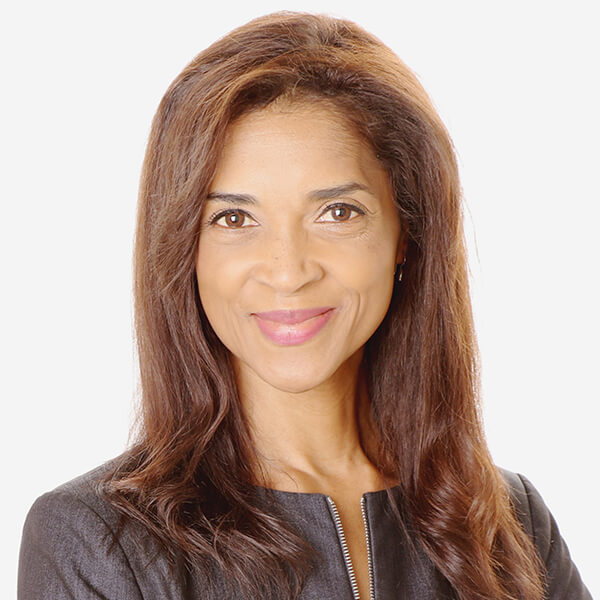
Paula Allen
Global Leader and Vice President, Research, Insights, and Strategic Communications, TELUS Health

Chantaie Allick
Co-Founder, ReWork
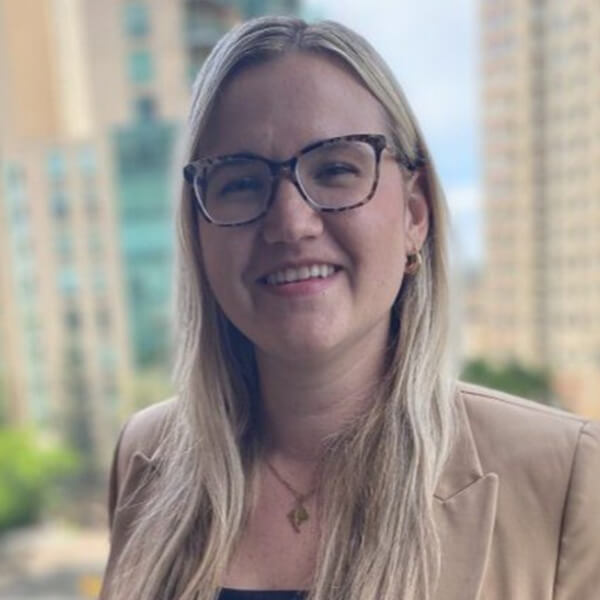
Storm Balint
Research Associate, Human Capital, Signal49 Research

Debra Burke
Lead Council Manager, Signal49 Research
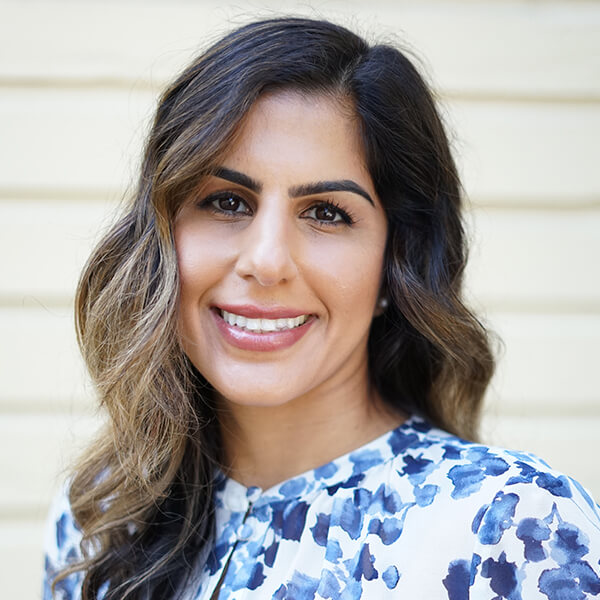
Beata Chami
Organizational Psychologist, Executive Coach, Mediator and Researcher
Dr. Raj Choudhury
Professor of Organisational Behaviour, London School of Economics and Political Science (LSE)

Michael Cooper
Vice-President, Data and Partnerships Mental Health Research Canada (MHRC)
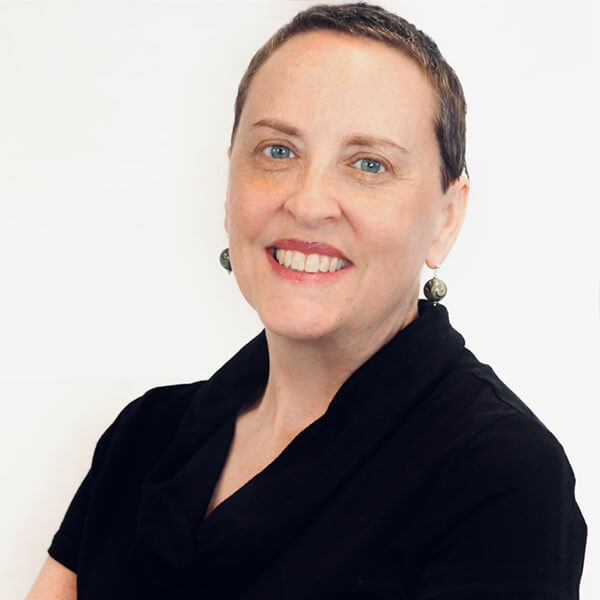
Wanda Deschamps
Founder and Principal, Liberty Co
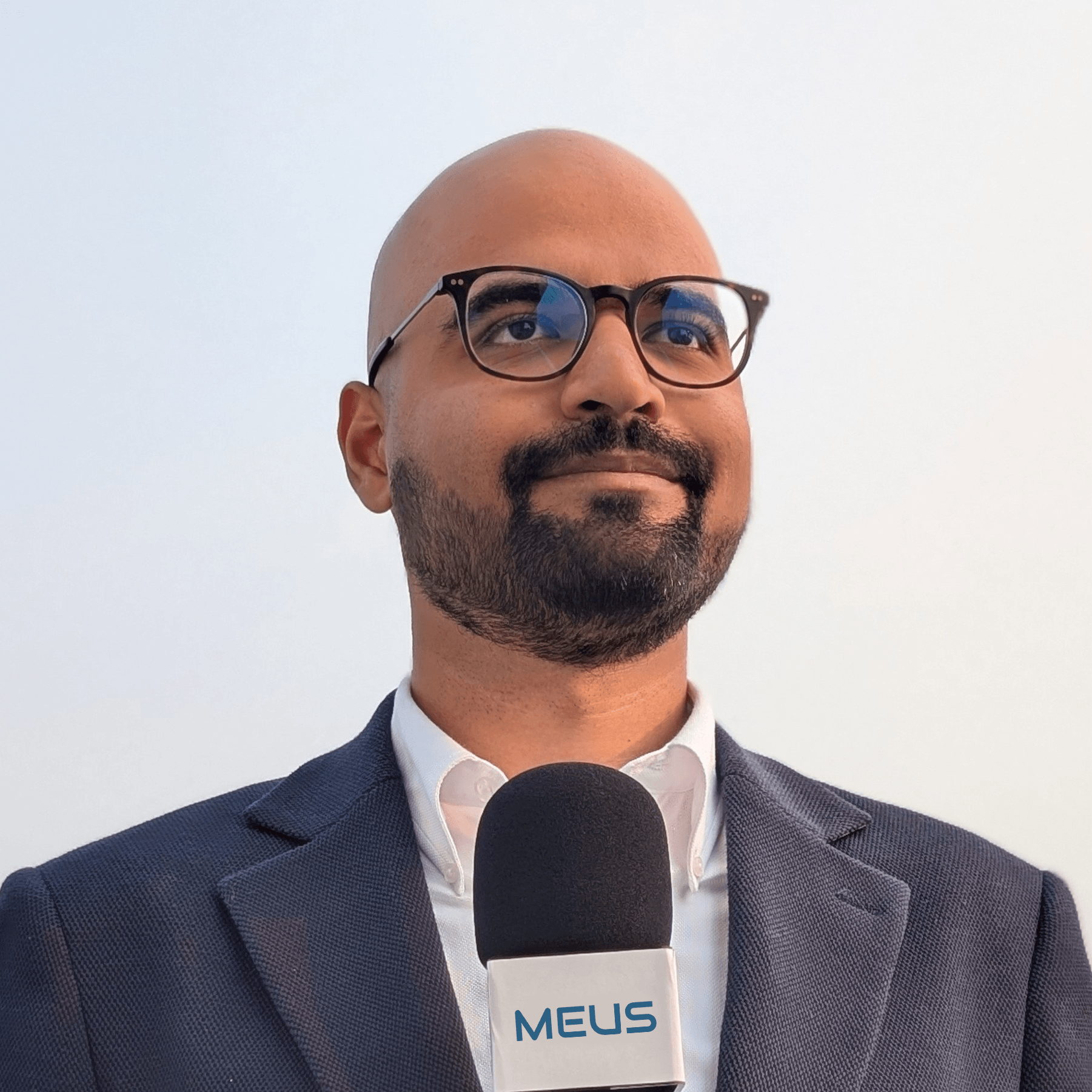
Ehsan Etezad
Organizational Psychologist, PhD(c), Co-Founder & CEO | MEUS Science corp.

Jennifer Fane
Lead Research Associate, Education & Skills, Signal49 Research
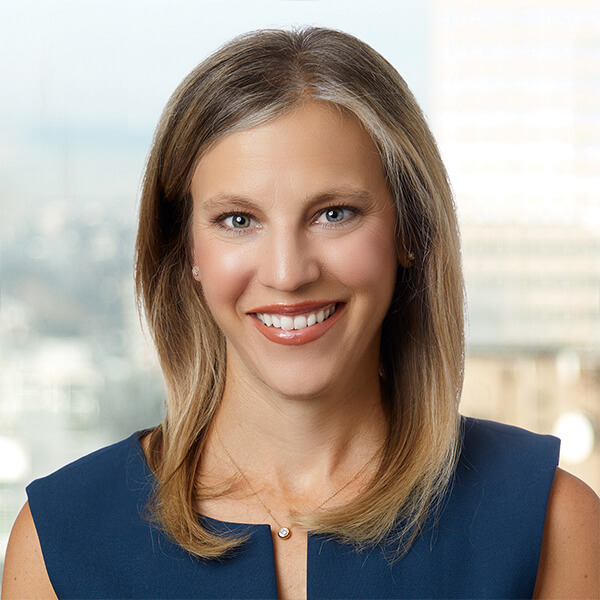
Leora Hornstein
Well-being Specialist at Cenovus Energy

Katrina Ingram
Founder and CEO, Ethically Aligned AI
Mina Johl
Founder & CEO, Purple Wins

Rachel Jurgens
Partner, Access & Equity Client Services Deloitte Canada
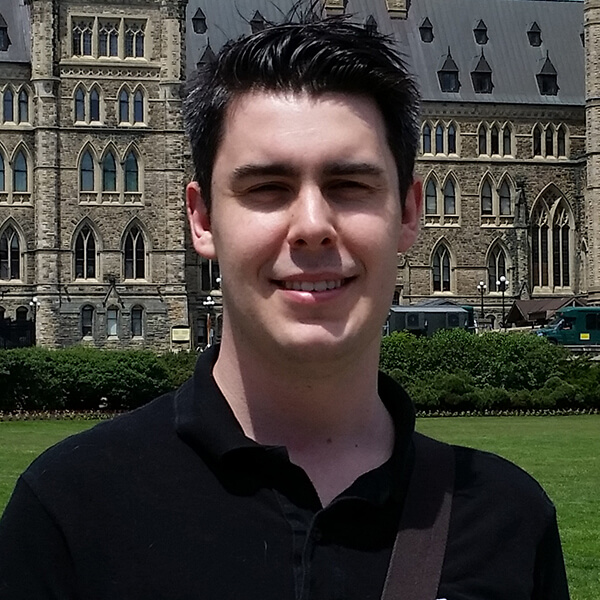
James Lannigan
Senior Research Associate, Innovation & Technology, Signal49 Research

Hilary McVey
National Managing Partner for Diversity, Equity, Inclusion and Accessibility Deloitte Canada
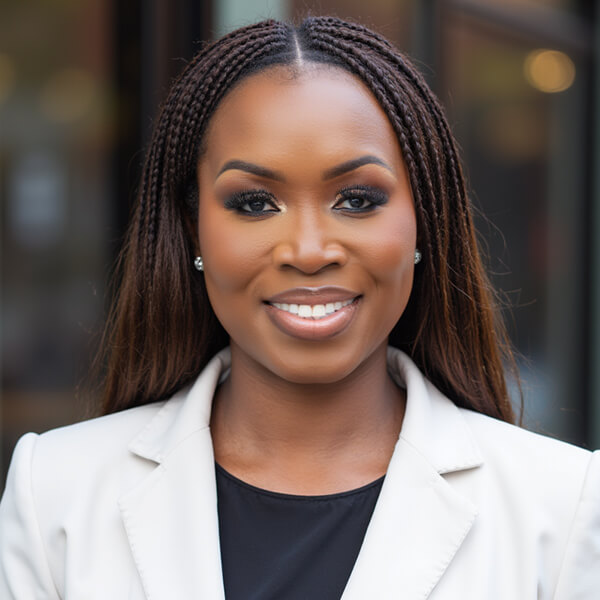
Dr. Tomi Mitchell
Family Physician, Keynote Speaker, Wellness & Performance Coach

Alana Painter
Alana Painter, Director, Human Capital, Signal49 Research
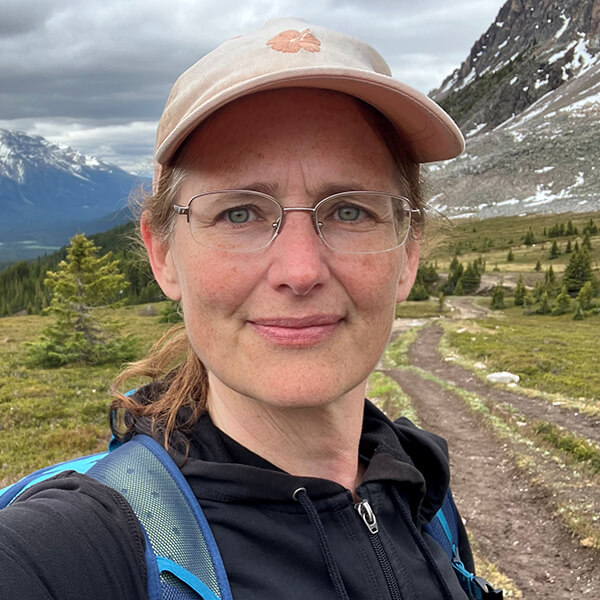
Tracey Pickup
Education Specialist, CMHA Alberta and Centre for Suicide Prevention
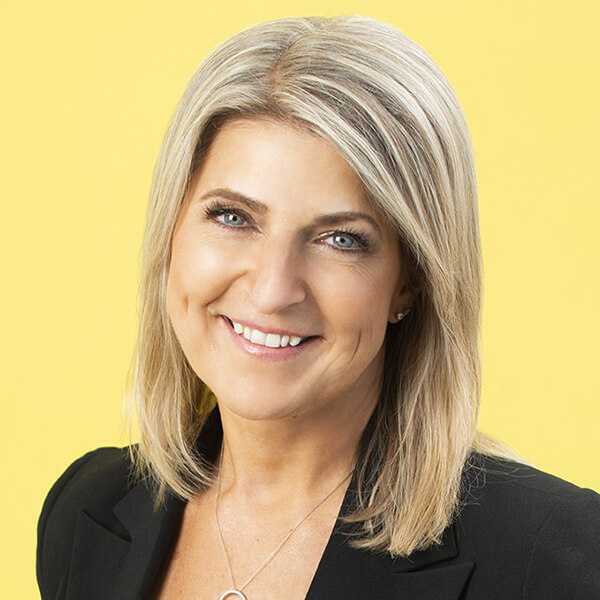
Treena Reilkoff
Founder of TLR Solutions4Conflict Inc.
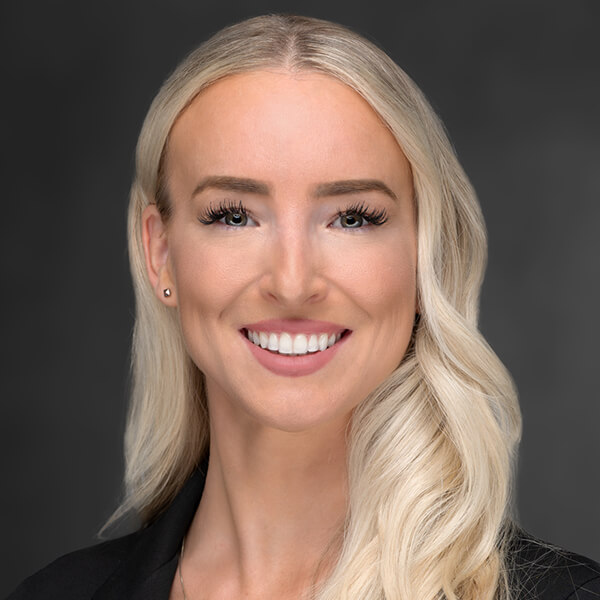
Leah Ringwald
Associate Director, Human Capital, Signal49 Research
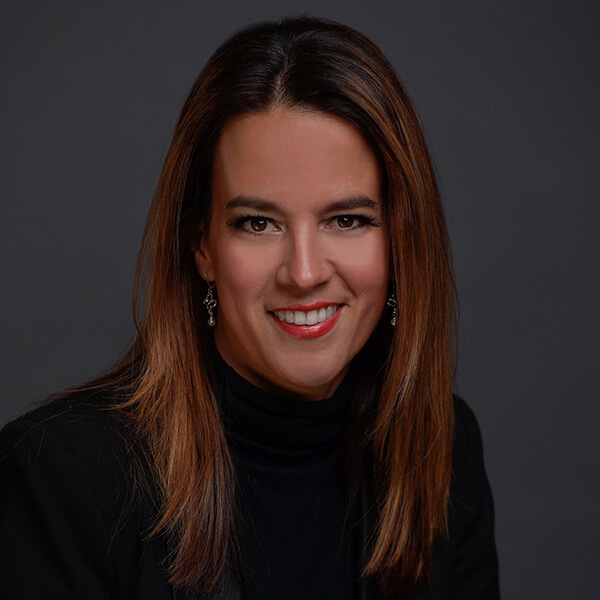
Elke Rubach
President and Founder, Rubach Wealth Holistic Family Advisors™
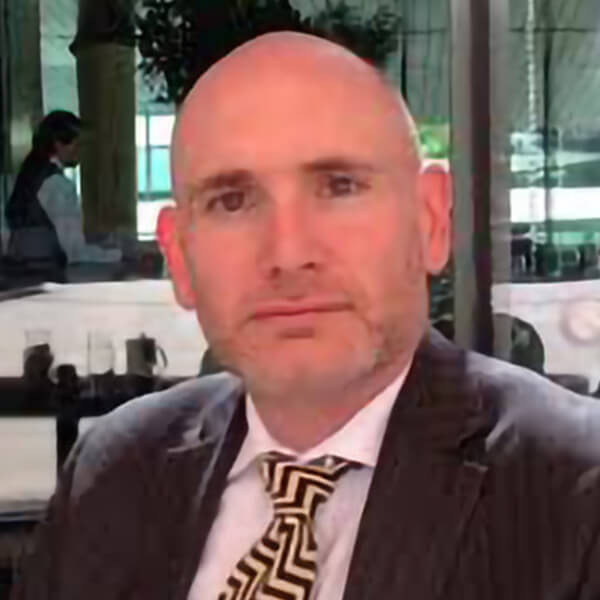
Neil Seeman
Senior Fellow and Associate Professor at the University of Toronto’s Institute for Health Policy, Management and Evaluation, Board Member of Mental Health Research Canada
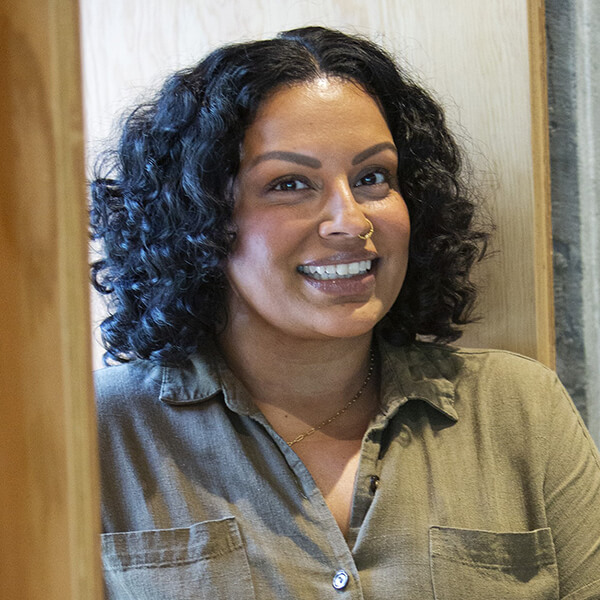
Natasha Singh
Co-Founder, ReWork

Testimonials
Past Event
Previous conference highlights:
The 29th annual Better Workplace Conference will address emerging workplace challenges, such as polarization and technology-induced burnout, and explore how to meet the diverse needs and requirements of today’s workforce.
464
Past Attendees
4.5/5
Overall satisfaction
Attendees by job function
Attendees by job title
Some noteworthy speakers from our previous conference
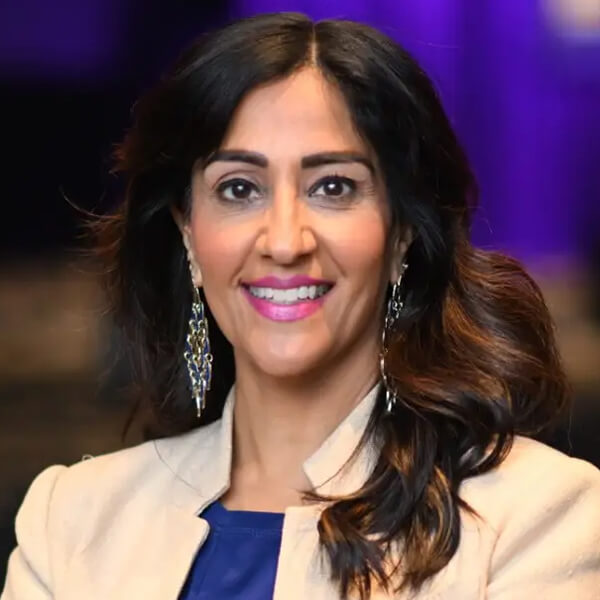
Dr. Shimi Kang
Leading expert in change, leadership, innovation, and wellness
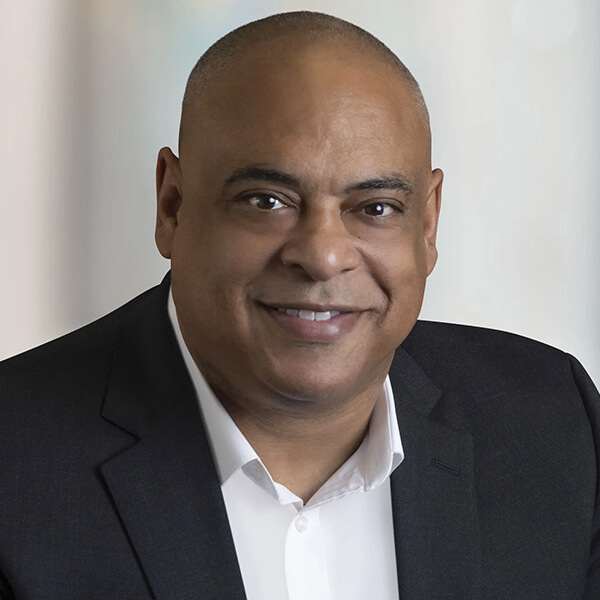
Lee Rubin
Team-building expert
Dr. Jody Carrington
Psychologist, human connection expert, and best-selling author
Register
Secure your spot and be part of the movement to build better workplaces where inclusion, wellbeing, and resilience are not just goals, but guiding principles.
Registering a group of 4 people or more? Contact us for preferred pricing.
Signal49 Research delivers insights that help Canadians build a stronger future. Proceeds from this event are invested back into producing and disseminating our evidence-based research.
Sponsors
Is your organization interested in becoming a sponsor? Learn more about our sponsorship packages and contact us to hear more about the opportunities and benefits of sponsoring a Signal49 Research event.

Special offer
Canada’s Workplace Reset: Advancing Wellness Beyond Perks
When you purchase a ticket to the Better Workplace Conference, you will be automatically registered, at no cost, for our pre-event fireside chat with Lisa Lounsbury, who will explore how reframing wellness as a core driver can enhance organizational performance. Login details will be shared closer to the event date. Can’t make it? You’ll also receive access to the recording.