


Strategic Resilience and Emergency Management Council
The Strategic Resilience and Emergency Management Council (SREM) focuses on effective operational practices and key strategic issues related to emergency response and business continuity. SREM aims to be unique in the Canadian emergency management landscape by providing learning and sharing opportunities on topics put forward by its members.
In an environment where continuous response to emergencies (natural or otherwise) is becoming the norm, Canada’s emergency management ecosystem finds itself in great demand. SREM provides valuable networking, learning, and leadership development opportunities to enhance both management and operational continuity challenges.
Who Should Join?
SREM is a peer-to-peer network for emergency management and business continuity leaders. Our members are responsible for managing their organizations’ strategy, policies, and programs related to operational and strategic emergency management. They are keen to learn, share, and collaborate with one another.
Key Objectives
- Create opportunities for dialogue, learning, and sharing insights among Canadian emergency management professionals
- Explore leading practices in the emergency management ecosystem
- Experience peer-to-peer learning in a trusted environment that operates under the Chatham House Rule
Benefits of Membership
| Networking | Access | Expertise | Discounts |
|---|---|---|---|
| Expand your network of emergency management leaders and practitioners who proactively collaborate to advance Canada’s preparedness, response, recovery, and resiliency to emergencies. | Save time by having access to a network of peers and Signal49 Research staff to help you answer pressing questions. | Benchmark your work against other Canadian organizations to understand the trends, challenges, and solutions in emergency management best practice. | Receive discounted or complimentary access to other Signal49 Research programming. |
Advisory Board

Jessica Ames
Senior Specialist, Business Continuity, Canada Mortgage and Housing Corporation

Kathy Branton
Manager, Business Continuity & Emergency Management, Humber Polytechnic, Department of Public Safety
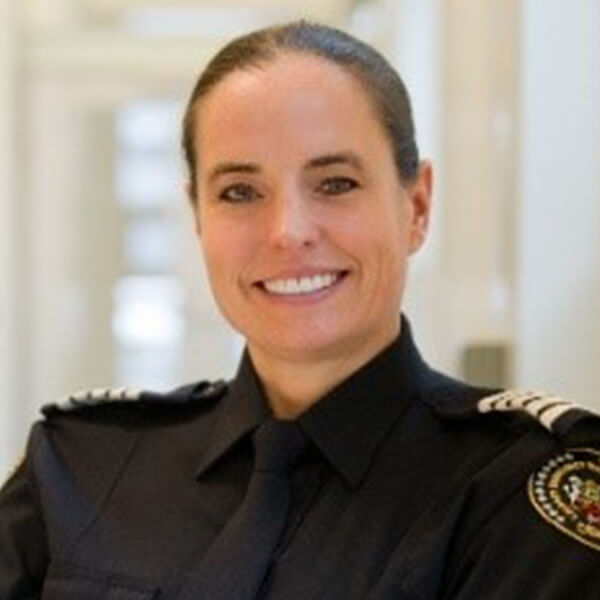
Susan Henry
Chief, Calgary Emergency Management Agency, The City of Calgary

Kenneth McLernon
Supervisor, Emergency Management, Pembina Pipeline Corporation

Kris Parsons
Director of Health, Safety, Security & Environment, Marine Atlantic Inc.

Become a Member
Expand your knowledge of best practices and strategic issues related to emergency response and business continuity. Join SREM today.
Members Only
SREM members can access exclusive content from this page.
Member Activity
Fall Meeting
October 14–15, 2026 • Halifax, NS
Spring Meeting
June 26–27, 2027 • Vancouver, BC
The Recipe for Success: Practice through Exercises and Simulations
April 28-29 2026 • Montreal
National Security Briefing with Phil Gurski
February 11, 2026 • Virtual
Track, Define & Frame: Shaping the Narrative and Perception of Emergency Management and Business Continuity
February 11–12, 2026 • Virtual
Description:
In the age of social media, misinformation easily spreads during labour disruptions and protests impacting trust and increasing safety risks. Drawing on examples, the RCMP will share strategies, learnings, and the role of their liaison officers before, during and after disruption-related events to identify and assess risks, establish clear communication lines, strengthen relationships and maintain public safety.
Session Objectives:
Discuss best practices for managing misinformation and maintaining accurate communication during disruptions.
Learn proactive strategies for building trust and collaboration with partners and communities before and during high-risk events.
Explore approaches to identify and prioritize risks and maintain effective and transparent communication.
Revisiting Hurricane Fiona: Strategies to Safeguard Employee Health and Well-being
December 4, 2025 • Virtual
Emergencies test organizational culture and leadership making it critical to integrate employee wellbeing throughout the response and recovery to incidents. In this session, Kris Parsons will share the effective, and surprising, strategies, and partnerships that supported Marine Atlantic’s employees during the responses to both a severe flooding emergency followed by Hurricane Fiona in 2022. Kris will discuss short and long-term employee impacts workplaces should prepare for, best practices to support employees, and key supports needed to help impacted employees return to work and recover over the long term.
Capacity during Crisis
November 13-14, 2025 • Calgary, AB.
Member Webinar: Severity Level = Crisis
May 26, 2025 • Virtual
Critical Infrastructure: Dependencies, Vulnerabilities, and Solutions
May 13-15, 2025 • Virtual
Preparing for the unexpected: Severe Weather, Hazard Identification and Risk Assessment
February 18-20, 2025 • Virtual
Relevant Research for Members

Two Years Later: What Jasper’s Recovery Can Teach Canada About Building Resilient Communities
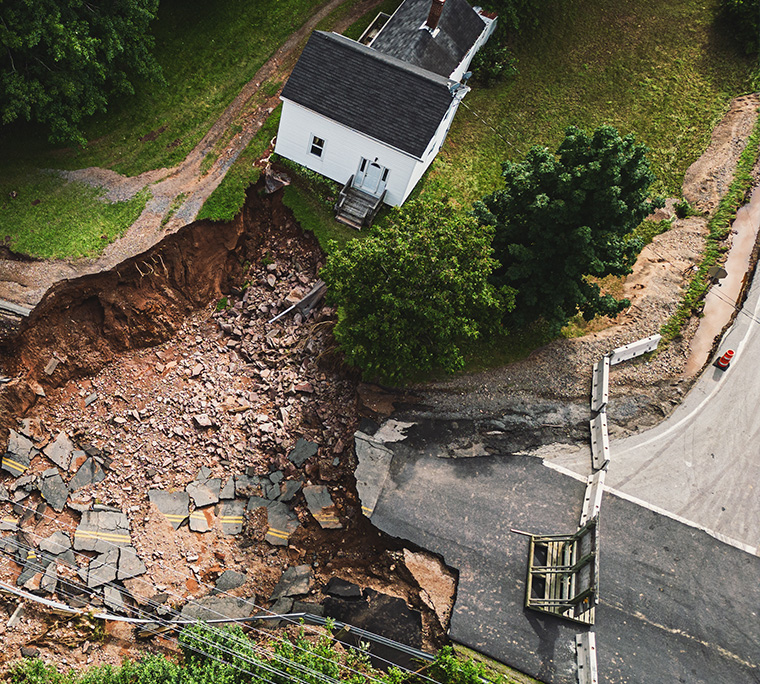
Climate-Resilient and Affordable Housing in Canada—May 2026

Tracking Social Impacts of Canadian Wildfires—December 2025

Blair Feltmate on Adapting to our Changed Climate

Toward a Disaster Recovery Framework for Canada: Insights from the United States, Australia, and New Zealand

Preparing for an Impending Employee Exodus: Increased Turnover and Retirement Risk Necessitate Succession Planning

Building Resilience and Capacity With Remote Indigenous Communities in Canada

Contact Us
For more information about the Strategic Resilience and Emergency Management Council or to arrange for a guest invitation to attend one of our meetings, please contact our team.
1-888-801-8818
From 8 a.m. to 5 p.m. ET; after hours, please send an e-mail.