


Canadian Resilient Recovery Initiative
Building resilience to climate disasters
Connect with our team to learn more.
Canada’s climate risk landscape is becoming increasingly complex, costly, and unpredictable. From heat domes to wildfires and floods, communities face overlapping climate disasters that are not only destroying infrastructure but also upending lives and livelihoods. These climate disasters are also highlighting our systemic vulnerabilities. The recovery phase presents a critical opportunity to restore what was lost and build resilience for the long term.
The Canadian Resilient Recovery Initiative (CRRI) will address gaps in evidence and guidance around disaster recovery.
Our focus
Disaster recovery in Canada is under-researched and under-supported, creating critical gaps in guidance and practice. CRRI’s research addresses these gaps by examining compounding and cascading hazards and developing multi-hazard frameworks to address interconnected risks and improve crisis management across sectors. The research also advances equitable and inclusive recovery strategies for vulnerable populations and shapes the future of disaster insurance to enhance financial resilience. CRRI promotes transformative approaches that align recovery with long-term objectives such as climate adaptation, reconciliation, and sustainable growth.
Funding members


Research impact
Our Sustainability team’s award-winning research and expertise in community engagement and resilience has set national standards and delivered tangible impact, shaping Canadian recovery efforts.
Centre research
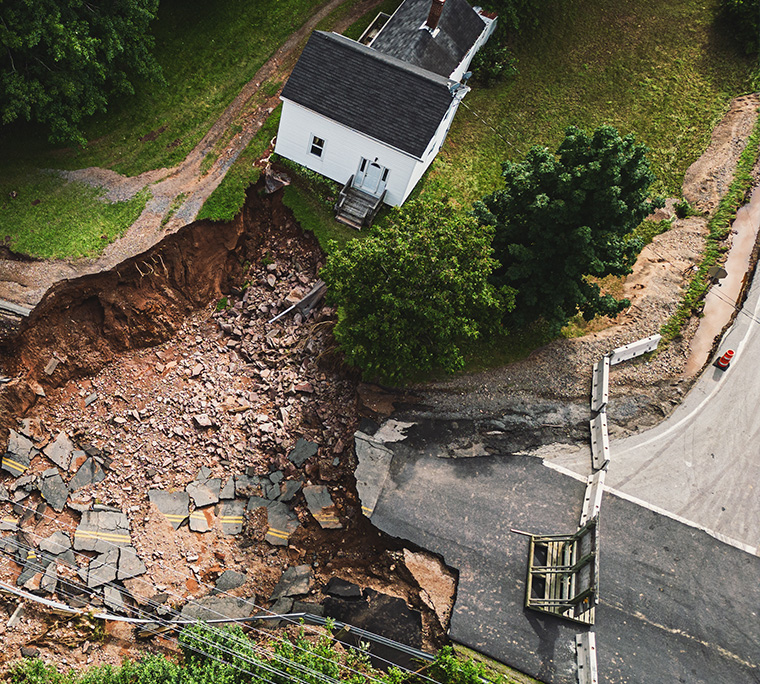
Climate-Resilient and Affordable Housing in Canada—May 2026

Tracking Social Impacts of Canadian Wildfires—December 2025

Toward a Disaster Recovery Framework for Canada: Insights from the United States, Australia, and New Zealand
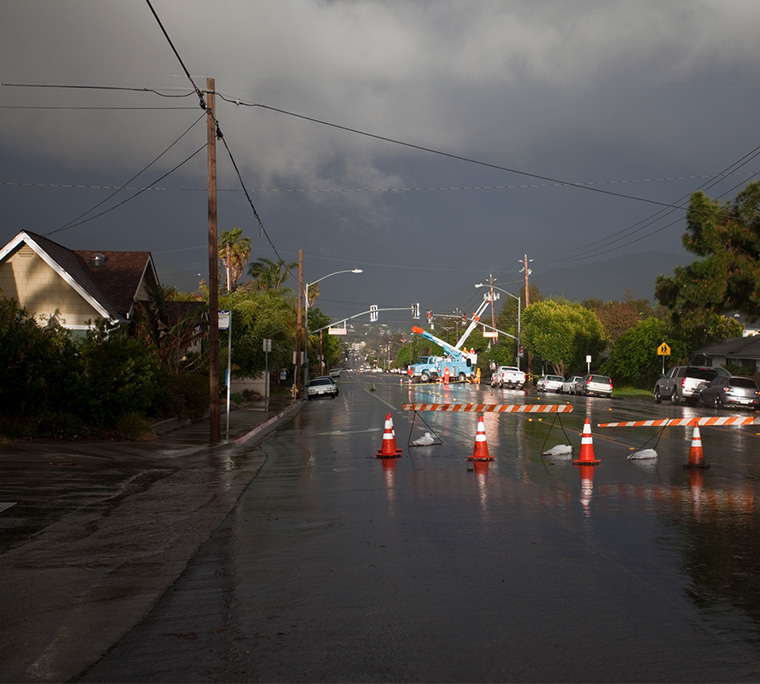
Disaster Recovery: Toward a Resilient Canada

Why become a funding member?
Funding members help shape a more resilient and equitable future by supporting independent, evidence-based research that informs recovery policy and practice for governments, businesses, not-for-profit sectors, and civil society.
Through a shared investment model, your support enables deeper insights into escalating disaster risks, the socio-economic inequities of disaster impacts, the future of disaster insurance, and transformative recovery approaches.