

Register now and take advantage of early bird pricing—save 30% until November 30, 2026.


February 17–18, 2027

Virtual
30th Annual
The Better Workplace Conference 2027
Designing for Human Difference: Building Stronger Organizations
Exploring why traditional workforce assumptions are breaking down, the future of workforce design, and new models for organizational health and success.

Staffing the New Workplace
The workplace is in a period of profound transformation. Artificial intelligence, demographic shifts, longer careers, evolving employee expectations, changing skill requirements, and increasing workforce diversity are challenging many of the assumptions organizations have historically relied upon when designing work.
For decades, workplace policies, performance models, career paths, and leadership approaches were built around the idea of an “average employee” with relatively uniform needs, expectations, and experiences. That assumption is limiting organizations’ ability to fully leverage the talents, skills, and contributions of today’s workforce, leaving billions of dollars in potential productivity and economic value unrealized across Canada. This year, we’re asking a fundamental question: Are we still designing work for a workforce that no longer exists?
To answer this question, the 2027 Better Workplace Conference will explore how HR leaders and their organizations can rethink work for a workforce that is more diverse than ever. Drawing on emerging research and practical examples, we’ll examine AI, workforce demographics, skills development, career longevity, workforce participation, and changing employee expectations. Instead of asking how employees can adapt to existing workplace structures, conference presenters will challenge leaders to consider how work itself must evolve to unlock human potential and improve organizational performance. This shifts the conversation beyond traditional inclusion or workplace wellbeing discussions toward a broader exploration of workplace design in an era of accelerating change.
As organizations navigate an increasingly complex future, designing work around human difference is no longer a nice-to-have, it is becoming a business imperative. Through practical examples, emerging evidence, and candid discussion, attendees will explore how designing work for human difference can help organizations unlock talent, strengthen performance, and prepare for the future.
Conference Themes
Workforce realities and emerging trends
Examine the demographic, economic, technological, and labour-market shifts reshaping work in Canada and what they mean for employers.
Human difference across the employee experience
Consider how age, life stage, caregiving responsibilities, disability, neurodiversity, career pathways, and other forms of human difference shape employees’ work experiences.
The future of work, skills, and career pathways
Explore how AI, automation, demographic change, and evolving workforce expectations are reshaping jobs, careers, leadership, and organizational design.
Designing organizations for human sustainability
Learn how organizations are redesigning work, talent systems, wellbeing strategies, inclusion practices, rewards, and policies to better support diverse employee needs and drive sustainable performance.
Featured Speakers
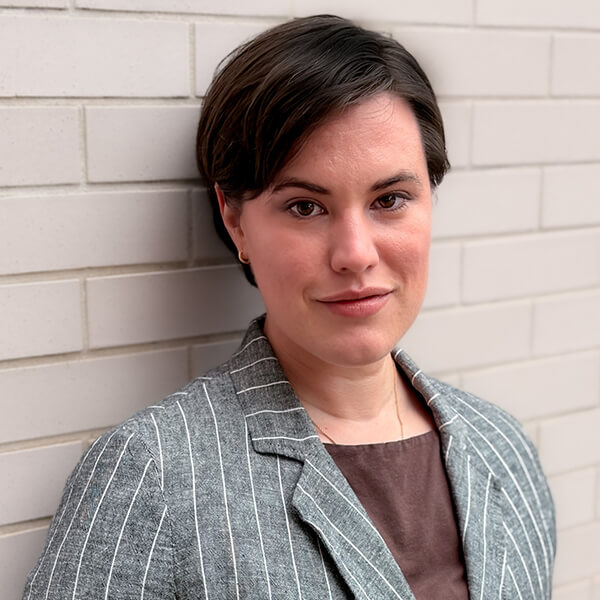
Eve-Marie Blouin-Hudon
Talent Systems Lead, Shopify
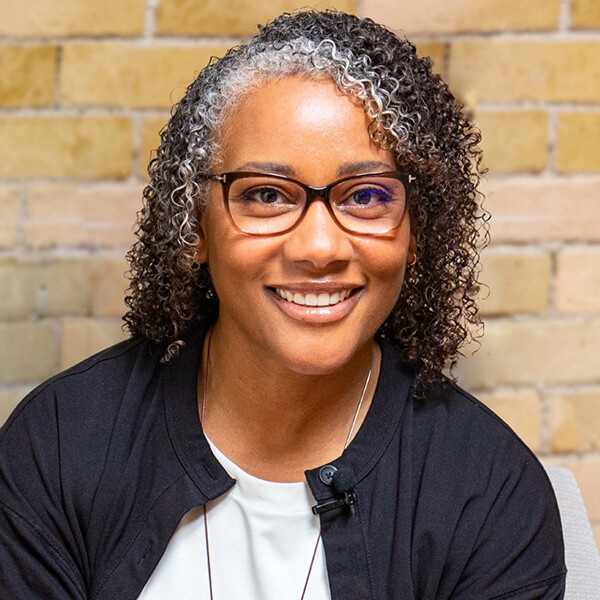
Sandra Cushnie
Senior Director, Global Diversity, Equity & Inclusion, McCain Foods Ltd
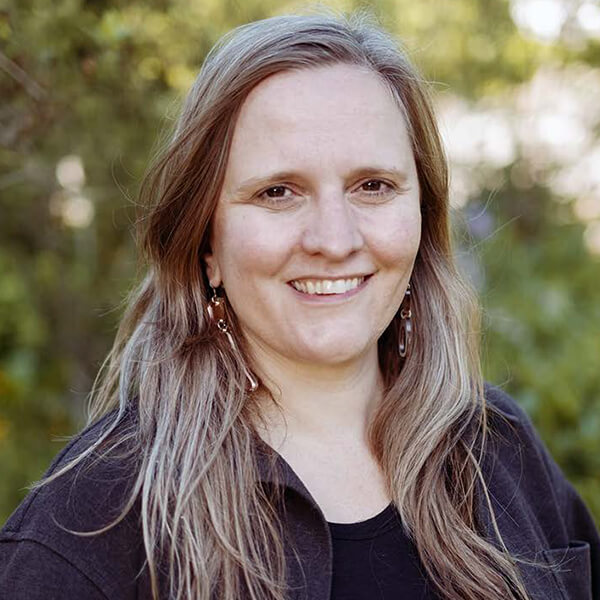
Ilona Dougherty
Leading Expert on Young People and Intergenerational Teams
What You’ll Experience
The Better Workplace Conference explores the latest research, expert insights, and practical strategies shaping the future of work while connecting you with peers and tools to help you build more inclusive, high-performing workplaces.

Research on the future of work: Access exclusive Canadian research and emerging insights on the workplace trends transforming how organizations attract, engage, and retain talent.

Strategies for inclusive workplaces: Learn practical approaches to designing workplaces that support people across different abilities, generations, life stages, work preferences, and skill sets.

Expert perspectives on emerging trends: Hear from leading experts on key issues shaping the workforce, including neurodiversity, disability inclusion, demographic shifts, AI, workforce participation, and evolving employee expectations.

Peer learning and shared practice: Exchange ideas and experiences with other HR leaders and practitioners facing similar challenges and opportunities in their organizations.

Actionable tools and leading practices: Leave with evidence-based resources, proven practices, and concrete actions to strengthen wellbeing, productivity, inclusion, attraction, and retention.

Preparation for what’s next: Build the knowledge and confidence to help your organization adapt to changing workforce realities and prepare for the future of work.

What’s New This Year
The 2027 Better Workplace Conference marks a major milestone as we celebrate its 30th anniversary. For three decades, the conference has brought together HR leaders, researchers, and workplace practitioners to explore the issues shaping the future of work and workplace success in Canada. To recognize this milestone, attendees can expect special anniversary features and activities that reflect on how workplaces have evolved over the past 30 years while looking ahead to what comes next.
This year, we’re also introducing more short-form presentations. These concise, high-impact sessions are designed to expose participants to a wider range of ideas, emerging research, innovative practices, and diverse perspectives in a dynamic and engaging format.
Alongside these new elements, the conference will continue to deliver the evidence-based insights, practical strategies, and peer learning opportunities that attendees have come to expect, while creating more opportunities for interaction, discovery, and fresh thinking about how organizations can design work for human difference.

Who Should Attend
The Better Workplace Conference is designed for professionals who are shaping the future of work and seeking practical strategies to help their organizations thrive in a rapidly changing environment.
This conference is ideal for:
- HR leaders and practitioners responsible for talent, employee experience, workforce planning, learning and development, total rewards, inclusion, wellbeing, or organizational effectiveness.
- People leaders and executives looking to better understand the workforce trends, demographic shifts, and organizational challenges shaping the future of work.
- Workplace wellbeing, accessibility, diversity, equity, and inclusion professionals seeking evidence-based approaches to supporting a diverse workforce and improving organizational outcomes.
- Learning, talent, and workforce development professionals focused on skills, career pathways, leadership development, and workforce participation.
- Students and early-career professionals interested in the future of work, workforce trends, organizational health, and human-centred workplace design.
- Researchers, policy-makers, and workforce experts interested in emerging evidence, innovative practices, and the changing nature of work in Canada.
- Anyone responsible for designing work, workplaces, or people strategies who wants to build more adaptable, inclusive, and high-performing organizations.
Whether you are responding to workforce shortages, navigating AI-driven change, supporting an increasingly diverse workforce, or rethinking how work is organized, this conference will provide the research, insights, and practical ideas needed to prepare your organization for the future.
Agenda
More agenda updates to come.
Shattering Assumptions—What Are We Getting Wrong?
Join Susan Black, CEO of Signal49 Research, as she officially opens the 30th annual Better Workplace Conference. In this milestone year, Susan will welcome attendees, reflect on the conference’s legacy of advancing workplace excellence, and set the stage for a day of learning, connection, and actionable insights to help build better workplaces for all.
Speaker: Susan Black — President and CEO @ Signal49 Research
For decades, organizations have designed jobs and workplaces around assumptions about a “typical” worker. But people are living longer and retiring later, workforce demographics are shifting, and younger generations are bringing new expectations about work, while technologies like AI continue to reshape how work gets done. Human difference is not the exception; it is the norm.
Drawing on developmental science, neuroscience, and original research, Ilona Dougherty explores what the intergenerational workforce can teach us about designing organizations for a world where people’s strengths, motivations, learning needs, and contributions evolve throughout their lives.
Moving beyond generational stereotypes, Dougherty challenges leaders to rethink career pathways, learning, performance, team structures, and workplace policies, asking a simple but powerful question: How can organizations adapt to people, rather than expecting people to adapt to rigid systems?
Key audience takeaways:
- Rethink workforce design through a neuroscience lens.
- Replace outdated assumptions about generational stereotypes with evidence-based approaches to talent, learning, and performance.
- Apply lessons from intergenerational workforces to strengthen organizational adaptability and innovation.
- Prepare your organization for longer careers, demographic change, and AI-driven disruption.
- Build workplace systems that adapt to people at different career and life stages, instead of expecting people to adapt to rigid systems.
- Position designing for difference as a strategic business advantage rather than a standalone DEI initiative.
Moderator: Leah Ringwald — Associate Director of Human Capital @ Signal49 Research
Speaker: Ilona Dougherty — leading expert on young people and intergenerational teams
Many workplace practices were created in a different era, shaped by assumptions about how people work, learn, communicate, and build careers. Yet today’s workforce is more diverse than ever when it comes to life experiences, responsibilities, abilities, career paths, and expectations. In this thought-provoking discussion, experts will examine where long-standing workplace assumptions no longer reflect reality, explore the unintended consequences of those assumptions, and identify practical ways that organizations can create more inclusive, effective, and human-centred work environments.
Key attendee takeaways:
- Uncover hidden barriers within workplace systems and practices that can limit talent attraction, retention, and performance.
- Rethink long-standing assumptions about work to better align organizational design with today’s workforce realities.
- Use employee feedback as a catalyst for workplace innovation and more inclusive decision-making.
- Redesign workplace experiences to support the human difference while improving productivity, engagement, and business performance.
Moderator: Alana Painter — Director, Human Capital @ Signal49 Research
For years, organizations viewed labour shortages as Canada’s defining workforce challenge. But economic and demographic shifts are creating a far more complex reality. Join Signal49’s Chief Economist, Pedro Antunes, as he explores how population growth, evolving participation and retirement patterns, underutilized talent pools, and the uneven impacts of AI are reshaping Canada’s labour market and what these trends mean for employers seeking to attract, retain, and develop talent.
Key attendee takeaways:
- Understand Canadian labour-market trends to make more informed talent and workforce planning decisions.
- Identify opportunities within underutilized segments of the labour market.
- Adapt workforce and succession strategies in response to evolving retirement, participation, and demographic patterns.
- Position your organization for success in an AI-enabled economy by proactively addressing changing job and skills requirements.
Speaker: Pedro Antunes — Chief Economist @ Signal49 Research
This session examines what the latest workforce mental health data reveals about the relationship between work design, leadership, culture, and wellbeing, and explores how leading organizations are creating healthier, more sustainable workplaces by addressing the conditions that shape employee experiences every day.
Key attendee takeaways:
- Pinpoint the organizational factors that have the greatest influence on workforce mental health and burnout.
- Align leadership, culture, and job design practices to better support employee wellbeing and organizational effectiveness.
- Reduce the business costs associated with poor mental health by addressing root causes rather than relying on individual resilience strategies.
- Build a healthier, higher-performing workplace through practical, prevention-focused actions grounded in workforce data.
Speaker: Michael Cooper — Vice-President, Data and Partnerships @ Mental Health Research Canada (MHRC)
Many workplaces are still designed around the assumption that employees are fully available at all times, despite the growing reality of caregiving responsibilities and increasing pressures on employee wellbeing. This session explores how work design, management practices, and organizational expectations can either contribute to burnout or support healthier, more sustainable performance.
Key attendee takeaways:
- Adapt workplace expectations and flexibility strategies to meet the realities of a workforce increasingly dealing with caregiving responsibilities and competing life demands.
- Equip managers to foster psychological safety, reduce burnout, and sustain high performance through effective leadership and work design practices.
- Anticipate emerging organizational risks and accountabilities related to psychosocial hazards, employee wellbeing, and work design.
- Build workforce strategies that balance performance, flexibility, and employee wellbeing in an increasingly complex work world.
Speaker: Christa Haanstra — Chief Granting and Impact Officer @ Canadian Centre for Caregiving Excellence
As AI becomes increasingly embedded in the workplace, organizations face a critical question: which skills, roles, and human capabilities will matter most in the years ahead? This session explores how AI is reshaping skill demand across industries and examines the leadership, adaptability, and uniquely human strengths that will become even more valuable as people and technology work side by side.
Key attendee takeaways:
- Anticipate how AI will reshape skill requirements, job roles, and career pathways across industries and functions.
- Invest in the capabilities that remain uniquely human and increasingly valuable in AI-enabled workplaces.
- Cultivate leadership and workplace cultures that help employees adapt, learn, and thrive alongside emerging technologies.
- Design talent and workforce strategies for a human–AI future that balances technological advancement with human potential.
Speakers:
Graham Dobbs — Senior Research Associate @ Signal49 Research
Kristine Lalonde — Executive Coach and Strategic Thinking Partner @ LaLuz
DisruptHR is a fast-paced forum for bold ideas about people and work. Speakers have just five minutes and 20 automatically advancing slides to challenge conventional thinking, share a fresh perspective, and get the conversation moving.
Short breakout conversations invite participants to challenge the workplace norms we continue to treat as normal and consider what it would take to design organizations where more people can genuinely belong.
After a day spent challenging long-held assumptions about work, this candid conversation with Agata Zasada will explore what it actually takes to completely redesign people practices. Through real-world examples, Agata will share how she recognized when traditional HR approaches were no longer serving employees or her business, what she changed, and the lessons she learned from both successes and setbacks. Participants will leave with a fresh lens for questioning their own systems and preparing to build differently.
Key attendee takeaways:
- Identify hidden assumptions embedded in workplace and HR practices.
- Learn from real examples of organizational redesign, including both successes and missteps.
- Discover practical questions to challenge existing systems and inform future change efforts.
Speaker: Agata Zasada — Chief People Officer @ ZayZoon
As Day 1 comes to a close, we’ve challenged some of our most deeply held assumptions about work, leadership, and inclusion. Tomorrow, we’ll shift from identifying what’s not working to exploring what it takes to design workplaces that better reflect the realities of the people they’re meant to serve. Together, we’ll move from questioning the status quo to building something better.
Speaker: Leah Ringwald — Associate Director, Human Capital @ Signal49 Research
Designing Beyond Average—If Human Difference Is the Norm, What Should Be Changed and How Do We Build Differently?
Join Alana Painter, Director of Human Capital at Signal49 Research, as we revisit the key themes and learnings from day one and set goals for what’s ahead.
Speaker: Alana Painter — Director of Human Capital @ Signal49 Research
As entry-level opportunities become harder to access and workplace expectations continue to evolve, organizations must rethink how people begin their careers. This session brings together employers, educators, and labour-market experts to explore how we can redesign pathways into work, creating meaningful opportunities for learning, development, and long-term career growth in an era shaped by AI and changing workforce demands.
Key audience takeaways:
- Understand the forces reshaping entry-level employment and early-career opportunities.
- Explore how employers can create more effective pathways for learning, contribution, and progression.
- Learn how work-integrated learning can better connect education and employment.
- Identify strategies to develop the human skills and capabilities needed for long-term career success.
Speaker: Janine Knight-Grofe — Director, Education and Skills @ Signal49 Research
Many organizations recognize the value of neurodiversity, but translating awareness into meaningful workplace change remains a challenge. Drawing on insights from Signal49’s research and practical employer experience, this session will explore how leaders can move beyond accommodation to create environments where neurodivergent employees can thrive. Through evidence-based guidance and real-world examples of redesigned workplace practices, participants will gain actionable ideas for building more inclusive, supportive, and high-performing teams.
Key attendee takeaways:
- Understand common barriers that neurodivergent employees face in workplace systems and practices.
- Learn practical strategies that leaders can use to foster inclusion, engagement, and success.
- Explore real-world workplace redesign examples that better support neurodiverse talent.
- Identify actions that organizations can take to move from awareness to meaningful change.
Speakers:
Ali Dussault — CEO @ Auticon Canada
Jennifer Fane — Lead Research Associate, Education and Skills @ Signal49 Research
Most organizations have strong policies, formal standards, and legal processes intended to support inclusion, psychological health and safety, cultural safety, accessibility, and employee wellbeing. Yet employees’ day-to-day experiences do not always reflect what those commitments promise. This session will explore what it takes to move workplace commitments from paper to practice. Bringing together an employer case study, a policy implementation and psychological health and safety perspective, and a legal and employee-relations lens, the session will offer practical insights that can be applied across sectors.
Key attendee takeaways:
- Re-evaluate formal workplace inclusion practices through a neurodiversity lens to uncover opportunities for greater inclusion, productivity, and innovation.
- Apply proven workplace design approaches that draw on standards, self-assessments, assessments, and employee feedback to better support neurodiverse talent.
- Anticipate the organizational and legal risks associated with implementation challenges.
- Equip leaders with practical strategies to strengthen inclusion, engagement, and performance across neurodiverse teams.
Speakers:
Alexandra Patrich — Director, ISAR and DEI Initiatives, Legal Services, Negotiations and Labour Relations @ Health Employers Association of British Columbia
Aleksandra Pressey — Partner (Labour and Employment Lawyer) @ Williams HR Law
Angie Natingor — Principal @ Natingor Consulting
Front-line and operational roles are often shaped by long-standing assumptions about how people enter the work, whose experience is recognized, and who can succeed once they arrive. Drawing on new Canadian research and employer experience, this session will explore how organizations can redesign pathways into and through operational work, from credential recognition, recruitment, and apprenticeship to onboarding, training, and career development. Examine common barriers that can prevent skilled people from contributing fully, and gain practical ideas for expanding access, supporting retention, and building a more inclusive and sustainable front-line workforce.
Key attendee takeaways:
- Identify systemic and workplace barriers that prevent skilled people from entering, contributing to, and advancing in front-line and operational roles.
- Rethink credential recognition, recruitment, apprenticeship, and training practices to create more accessible pathways into operational work.
- Explore how employers can better connect internationally trained and other underused talent with meaningful work and career opportunities.
- Apply practical approaches to onboarding, development, and workplace design that support inclusion, retention, and long-term workforce sustainability.
Speakers:
Storm Balint — Research Associate @ Signal49 Research
Bronwen Perley-Robertson — Senior Research Associate @ Signal49 Research
Strong engagement scores can mask very different experiences across employee groups. When McCain’s Inclusion Index revealed a persistent gap in engagement and inclusion among racialized women leaders, the team dug deeper to understand why. Through interviews with a broad spectrum of women leaders, they uncovered similarities and important differences in experience, with some groups thriving while others faced significant barriers to growth and belonging. Sandra Cushnie shares how those insights led to greater transparency around talent development, system-level change to talent practices, and a renewed focus on clarifying career pathways. Attendees will learn how to move beyond aggregate survey results, identify hidden experience gaps, and take meaningful action to improve inclusion and advancement.
Key attendee takeaways:
- Learn how to move beyond aggregate survey results to uncover differences in employee experiences.
- Explore practical approaches for identifying hidden inclusion, engagement, and advancement gaps within specific workforce groups.
- Understand how system-level changes, greater transparency, and employee listening can inform more effective talent-development strategies.
- Identify ideas for translating workforce insights into meaningful action within your own organization.
Speaker: Sandra Cushnie — Global Leader of Inclusion and Belonging @ McCain Foods
Many organizations are embracing new talent philosophies, yet their systems and processes often remain rooted in outdated ways of working. This session explores how human-centred design can help close that gap by treating employees as the primary users of talent systems and focusing on experiences rather than administration. Participants will learn how to identify where talent insights are being lost and create more effective, connected approaches to growth, development, and performance.
Key attendee takeaways:
- Apply human-centred design and product-thinking principles to talent systems.
- Assess your organization’s existing processes to gain more meaningful talent insights.
- Implement talent practices as an interconnected system rather than a series of isolated initiatives.
Speaker: Eve-Marie Blouin-Hudon — Talent Systems Lead @ Shopify
Five years ago, many organizations were focused on building DEI strategies. Today, the challenge is turning those commitments into measurable outcomes that strengthen workplaces and support business performance. In this candid conversation, senior leaders will explore what has changed, what organizations have learned, and how leading employers are embedding accountability, measurement, and ownership into the systems that shape employee experiences. Participants will leave with practical insights into what the next generation of DEI looks like and the questions leaders should be asking as they move this work forward.
Key audience takeaways:
- Assess whether your organization’s existing DEI strategies have been effective or if gaps exist in its ability to meet commitments.
- Embed accountability, measurement, and leadership ownership into your systems to drive stronger outcomes.
- Apply lessons from organizations that are making meaningful progress.
- Strengthen DEI outcomes across talent systems and business operations by asking practical questions that can reveal barriers to progress.
Speakers:
Letecia Rose — Chief Equity, Diversity, and Inclusion Officer @ Fasken
Angela White — Senior Director, Equity, Diversity, and Inclusion @ Maple Leaf Sports & Entertainment Partnership (MLSE)
For three decades, the Better Workplace Conference has explored the ideas, trends, and workplace practices shaping the future of work. In this closing session, we’ll look back at how our assumptions about work have evolved since 1996 and consider what the next decade may demand of leaders. Together, we’ll reflect on the key themes and insights from the conference and leave with a clear commitment to challenge outdated practices, test new assumptions, and take action to create better workplaces.
Speaker: Dianne Williams — Vice-President @ Signal49 Research
Speakers

Pedro Antunes
Chief Economist, Signal49 Research
Storm Balint
Research Associate, Human Capital, Signal49 Research
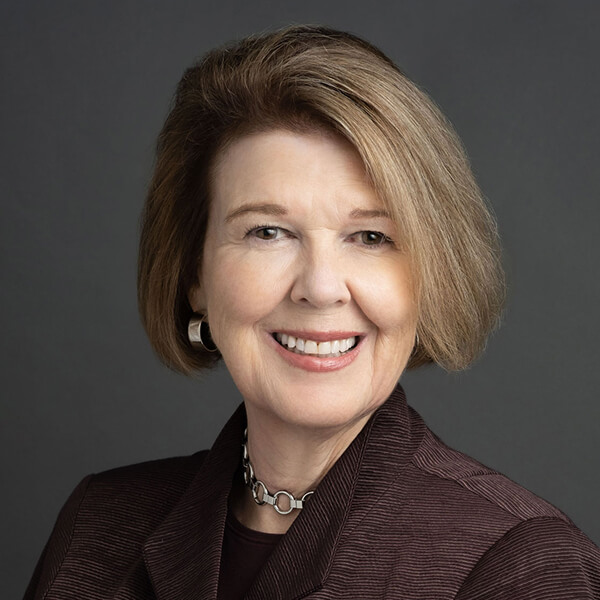
Susan Black
President and CEO, Signal49 Research

Michael Cooper
Vice-President, Data and Partnerships Mental Health Research Canada (MHRC)

Graham Dobbs
Senior Research Associate, Innovation & Technology, Signal49 Research

Ali Dussault
CEO, Auticon Canada

Jennifer Fane
Lead Research Associate, Education and Skills, Signal49 Research

Christa Haanstra
Chief Granting and Impact Officer, Canadian Centre for Caregiving Excellent
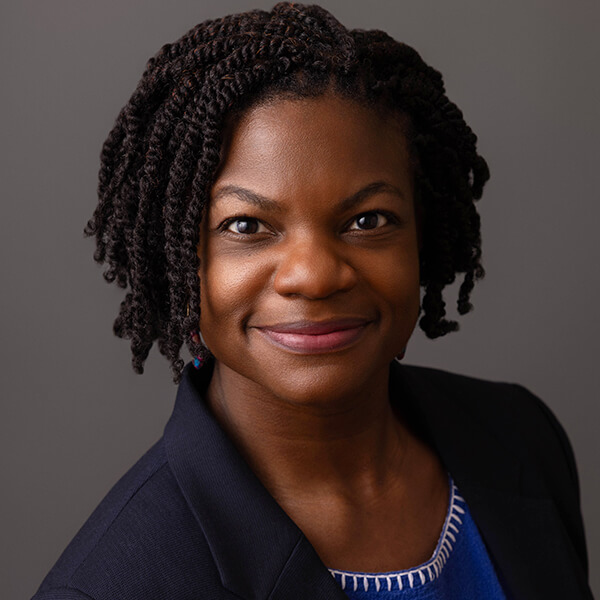
Janine Knight-Grofe
Director, Education and Skills, Immigration, Signal49 Research

Kristine Lalonde
Executive Coach and Strategic Thinking Partner, LaLuz
Angie Natingor
Principal, Natingor Consulting

Alana Painter
Alana Painter, Director, Human Capital, Signal49 Research
Alexandra Patrich
Director, ISAR and DEI Initiatives, Legal Services, Negotiations and Labour Relations, Health Employers Association of British Columbia

Bronwen Perley-Robertson
Senior Research Associate, Immigration, Signal49 Research

Aleksandra Pressey
Partner (Labour and Employment Lawyer), Williams HR Law
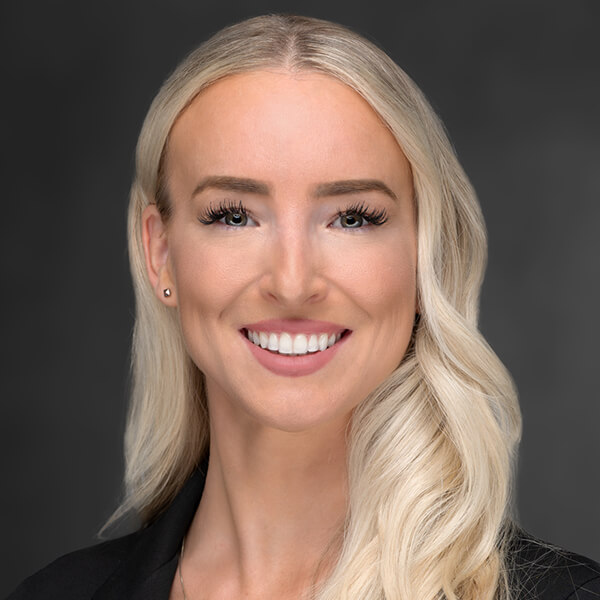
Leah Ringwald
Associate Director, Human Capital, Signal49 Research
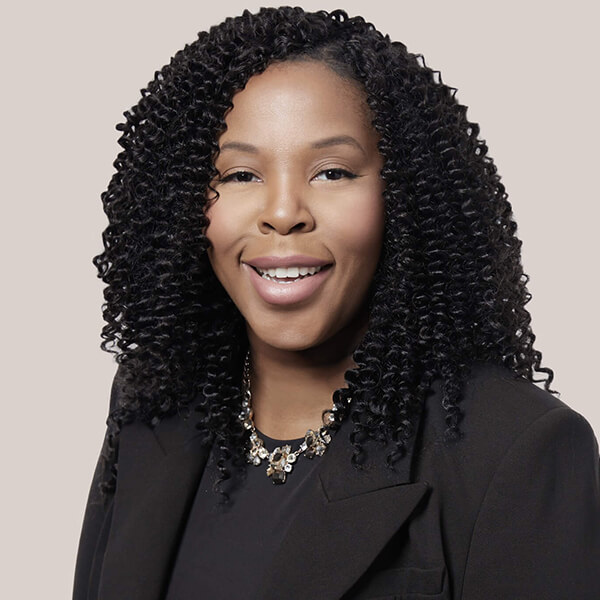
Letecia Rose
Chief Equity, Diversity, and Inclusion Officer, Fasken
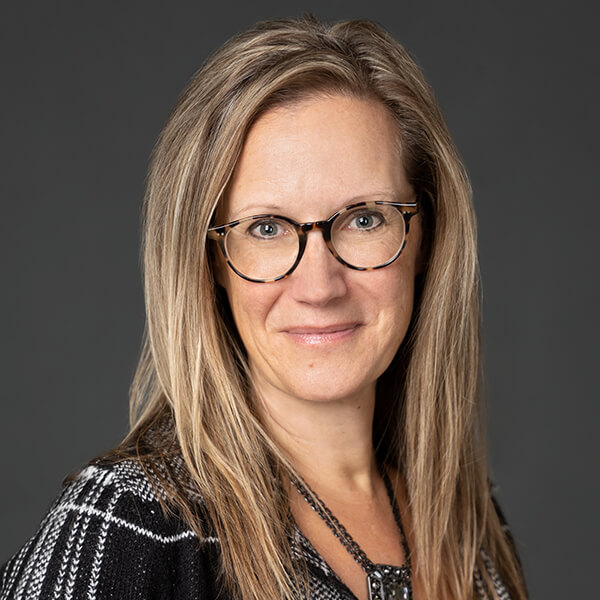
Dianne Williams
Vice-President, Signal49 Research
Angela White
Senior Director, Equity, Diversity, and Inclusion, Maple Leaf Sports & Entertainment Partnership (MLSE)

Agata Zasada
Chief People Officer, ZayZoon
Register
Celebrate 30 years of workplace learning and innovation while looking ahead to what comes next. Register now to be part of the conversations, insights, and connections shaping the future of work in Canada.
Special early bird pricing on now!
Save 30% when when you register until November 30, 2026.
$209
$299
Are you a not-for-profit? Registering a group of 4 or more? Contact us.
Signal49 Research delivers insights that help Canadians build a stronger future. Proceeds from this event are invested back into producing and disseminating our evidence-based research.

Testimonials
Past Event
Previous conference highlights:
Better Workplace Conference 2026 is the national platform where wellness and organizational effectiveness intersect to create resilience and results. This isn’t about perks. It’s about designing a future with a new mindset: advancing wellbeing as a strategic lever for success by embedding it into work design, culture, and leadership.
258
Past Attendees
4.4/5
Overall satisfaction
Attendees by job function
Attendees by job title
Some noteworthy speakers from our previous conference:
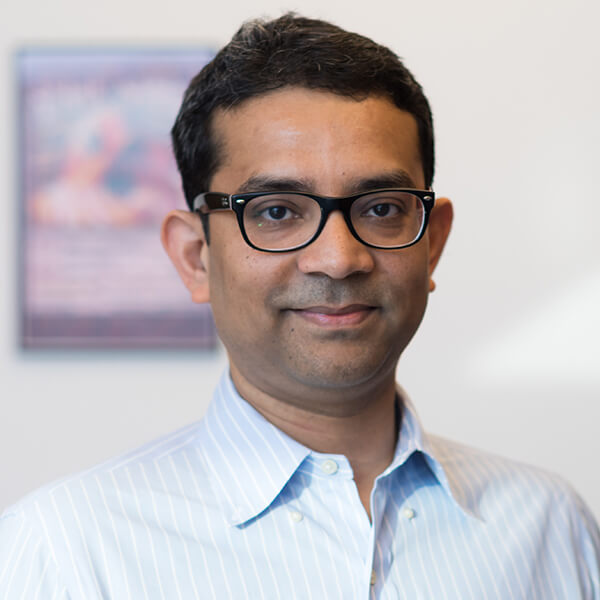
Dr. Raj Choudhury
Professor of Organisational Behaviour, London School of Economics and Political Science (LSE)

Andrea Adams
HR Consultant, Host of The HR Hub podcast

Katrina Ingram
Founder and CEO, Ethically Aligned AI