


Aligning Fragments for a Circular Plastics Economy
Canada is committed to a life-cycle approach in eliminating plastic pollution—from production to end of life. Our national circular plastics economy, however, still needs work. True circularity means putting together more pieces of the puzzle.

Our research looks at the following:
- investment
- sustainable finance
- innovation
- policies
- business models
We uncovered key pieces needed to align fragments for a circular future
- All levels of government need to collaborate to balance de-risking and regulatory tools that enable investments with circular and sustainable outcomes.
- Waste management firms are well positioned to scale and invest in plastics recycling.
- Environmental, social, and governance (ESG) criteria in sustainable finance can be leveraged by plastic producers to advance a circular and net-zero transition.
- Investment incentives granted by governments to plastic producers should incorporate ESG performance criteria.
- Canada needs industry-specific research, development, and demonstration programs for chemical recycling innovation.
- Radical innovations in chemical recycling are crucial to achieving an enduring Canadian competitive advantage.
- Businesses and institutions need to do much more to embed circularity in their core operations and limit their plastics pollution.
Investment
Bagging Capital: Attracting Private Investments
Canada’s tiers of government need to collaborate to de-risk the plastic recycling industry. Without de-risking policies and regulations, it will be hard to secure private sector investments.
How Can We Do This?
- Develop recycled content mandates for plastic products in the economy.
- Prioritize access to plastic waste feedstock for local recyclers.
- Incentivize high-quality sorting at material recovery facilities.
- Adopt multi-stream recycling for consumers.
- Enhance extended producer responsibility programs.
- Leverage the scale of waste management firms and restrict plastic landfilling.

Read the impact paper
Bagging Capital: Attracting Private Investments in Canada’s Plastic Recycling Industry
January 11, 2022 • 62-min read
Sustainable Finance
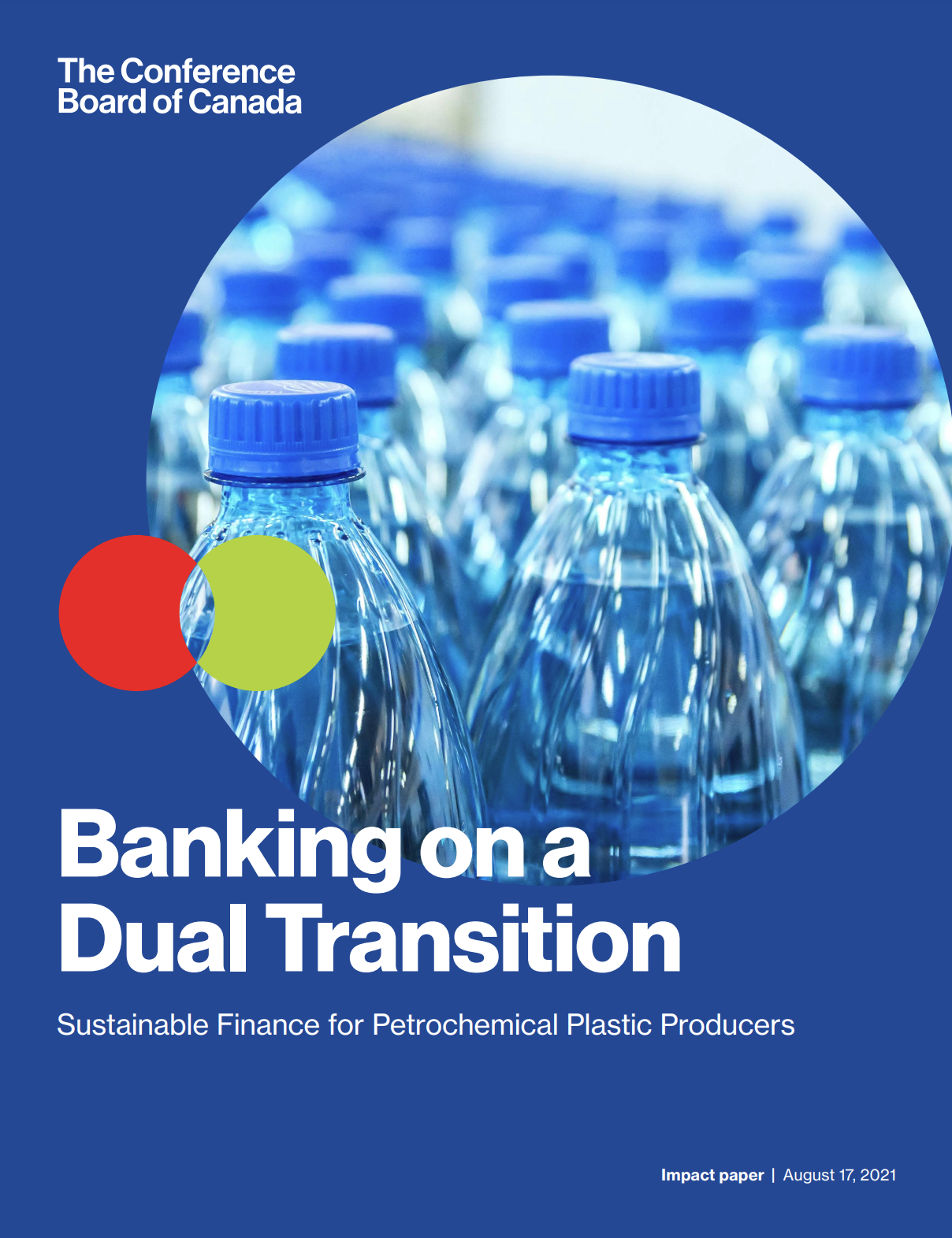
Banking on a Dual Transition: Sustainable Finance for Petrochemical Plastic Producers
Aligning private and public capital with ESG metrics is a challenge. Circular ESG investment incentives for Canadian plastic producers could improve the industry and increase competitiveness.
How Can We Do This?
- Create stronger collaboration and coordination across all tiers of government to include ESG metrics in investment incentive programs.
- Prompt private financiers to encourage data disclosures on circular transition risks and support plastic producers in developing organizational and asset-level ESG performance metrics.
- Have the federal government promote the inclusion of circular transition risks in sustainable finance, and foster alignment on this issue with international peers.
- Incentivize investments in other segments of the plastics value chain aside from plastic production (e.g., mechanical and chemical recycling).
Read the impact paper
Banking on a Dual Transition: Sustainable Finance for Petrochemical Plastic Producers
January 11, 2022 • 62-min read
Innovation
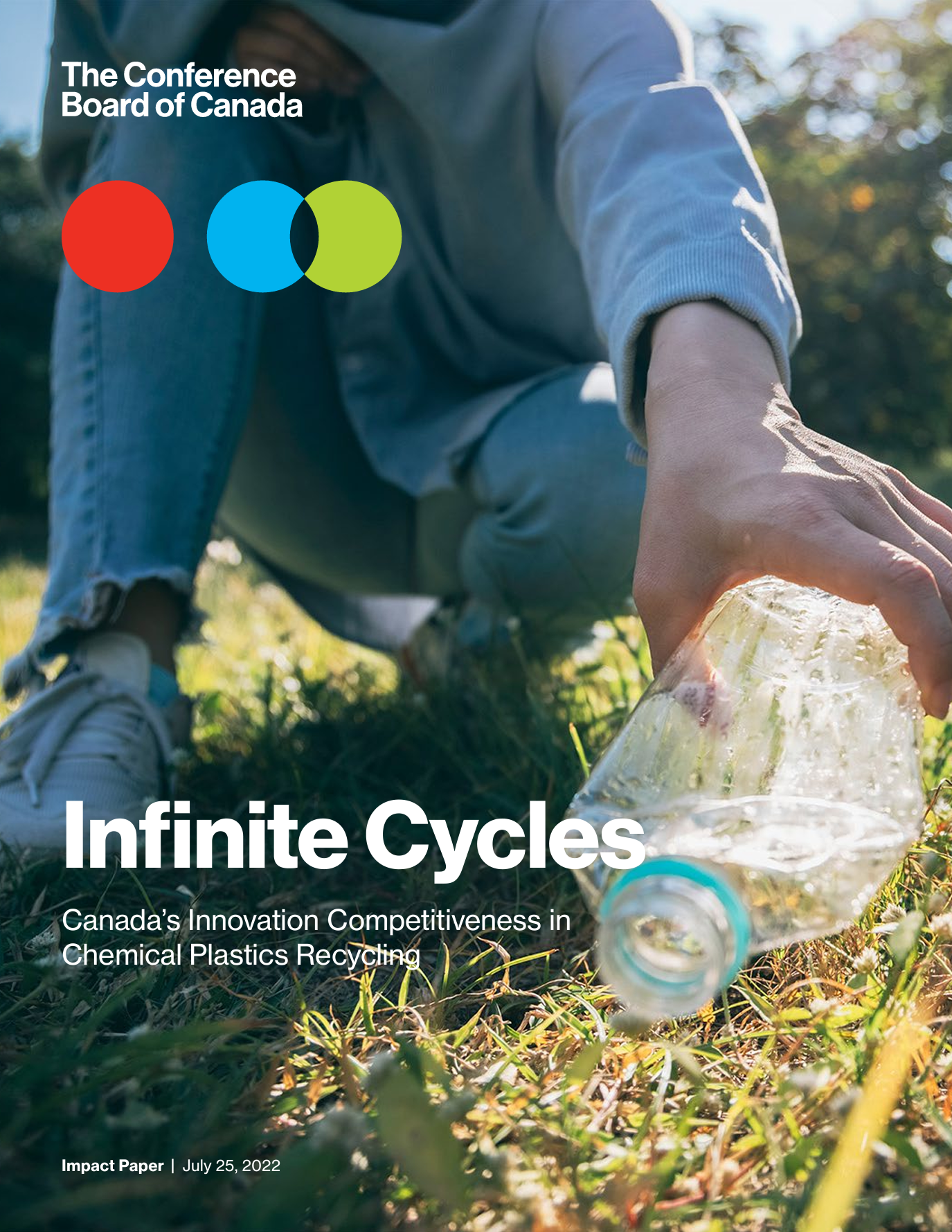
Infinite Cycles: Canada’s Innovation Competitiveness in Chemical Plastics Recycling
Today’s recycling technologies will fall short in delivering a circular plastics economy. Innovation is a must for Canada.
How Can We Do This?
- Develop industry-specific research, development, and demonstration programs for chemical recycling innovation.
- Build plastics value-chain innovation coalitions. Prioritize innovation actors that advance the interests of the ecosystem rather than specific segments of the value chain.
- Have the federal government create vehicles that foster connections and diffuse knowledge across regional institutional networks for chemical recycling in Canada.
- Manage the trade-offs of chemical recycling technologies regarding feedstock types, product quality, environmental merits, and the disruption of the plastic industrial base across Canada.
- Improve the quality of plastic waste feedstock and anticipate feedstock risks.
Read the impact paper
Infinite Cycles: Canada’s Innovation Competitiveness in Chemical Plastics Recycling
July 25, 2022 • 68-min read
Policies
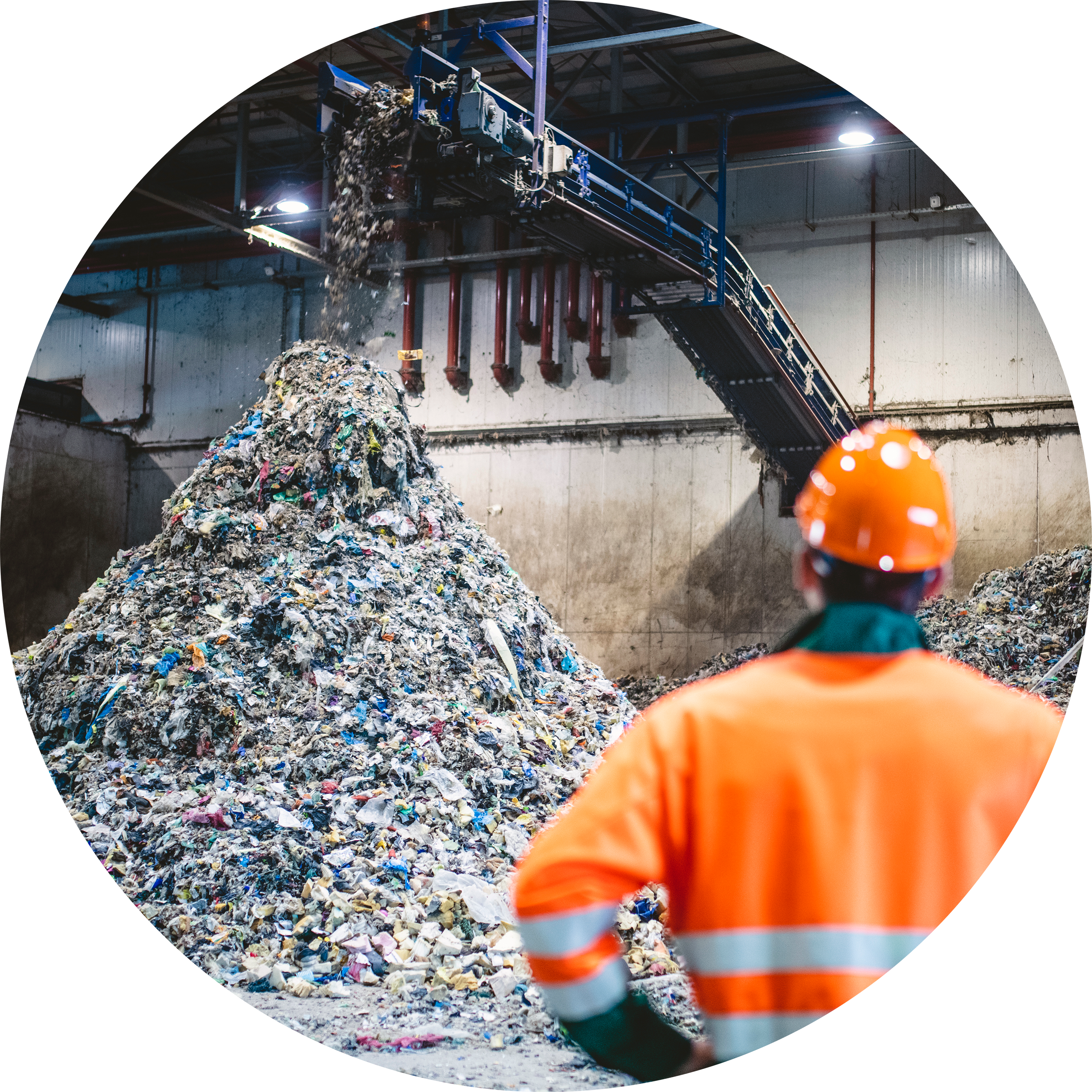
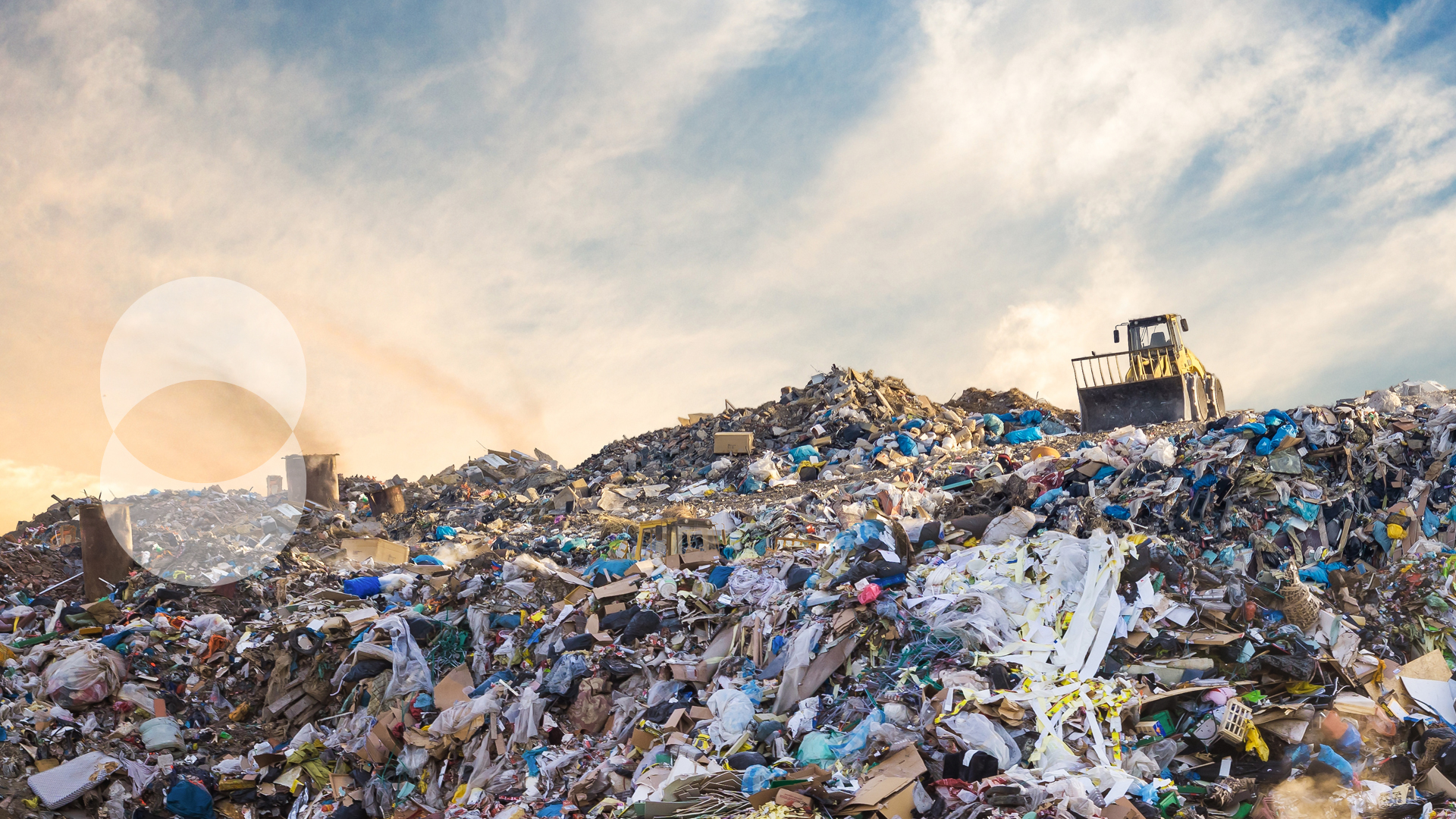
In Canada, 55 per cent of plastic waste is produced by businesses and institutions, according to Environment and Climate Change Canada. But the majority of these entities aren’t obligated to recycle. Efforts to drive our 9 per cent plastic recycling rate in the right direction will be futile without businesses and institutions on board.
Only a quarter of the 205 business and institutions we surveyed have completed a waste audit in the past five years.
What We Heard From Businesses and Institutions
Chart 1
In the past five years, has your business or institution conducted a waste audit?
(per cent)
Chart 2
Does your business or institution collect data on the amount of plastic waste that it generates, sorts, recycles, incinerates, or landfills?
(per cent)

Note: Based on responses from 205 businesses and institutions in Canada.
Source: Signal49 Research.
Chart 3
Do you know what percentage of the plastic waste generated by your business or institution gets recycled by your waste management firm?
(per cent)

Note: Based on responses from 205 businesses and institutions in Canada.
Source: Signal49 Research.
Less than 5 per cent of businesses and institutions know
what percentage of plastic waste gets recycled by their
waste management firm.
Tipping Points: Toward Policies for Plastics Recycling in Businesses and Institutions
The status quo is untenable. Plastics recycling in businesses and institutions is ripe for change.
How Can We Do This?
- Provincial and territorial governments should require businesses and institutions to recycle plastics. Coherence in recycling regulations across provincial and territorial borders strengthens Canada’s circular plastics economy.
- Metrics and standards like detailed reporting on the chain of custody of recycled plastics, eligible recycling markets, and contamination thresholds should be included in the waste management contracts of businesses and institutions and required by governments where applicable.
- Financial institutions need to include circularity (including plastic waste) as part of their efforts to improve risk disclosures and ESG evaluation of large companies, including publicly traded waste management firms.
- Large companies and public institutions can harness their purchasing power to realize change in the plastics economy through circular procurement.
- Large companies and institutions should leverage circular business models such as product-as-a-service and life extension (including reuse, refurbishment, and remanufacturing), to advance the circularity of the durable plastic products they produce or consume (e.g., electronics and appliances). This can bolster resource efficiency, supply chain resilience, and firm competitiveness.
Read the impact paper
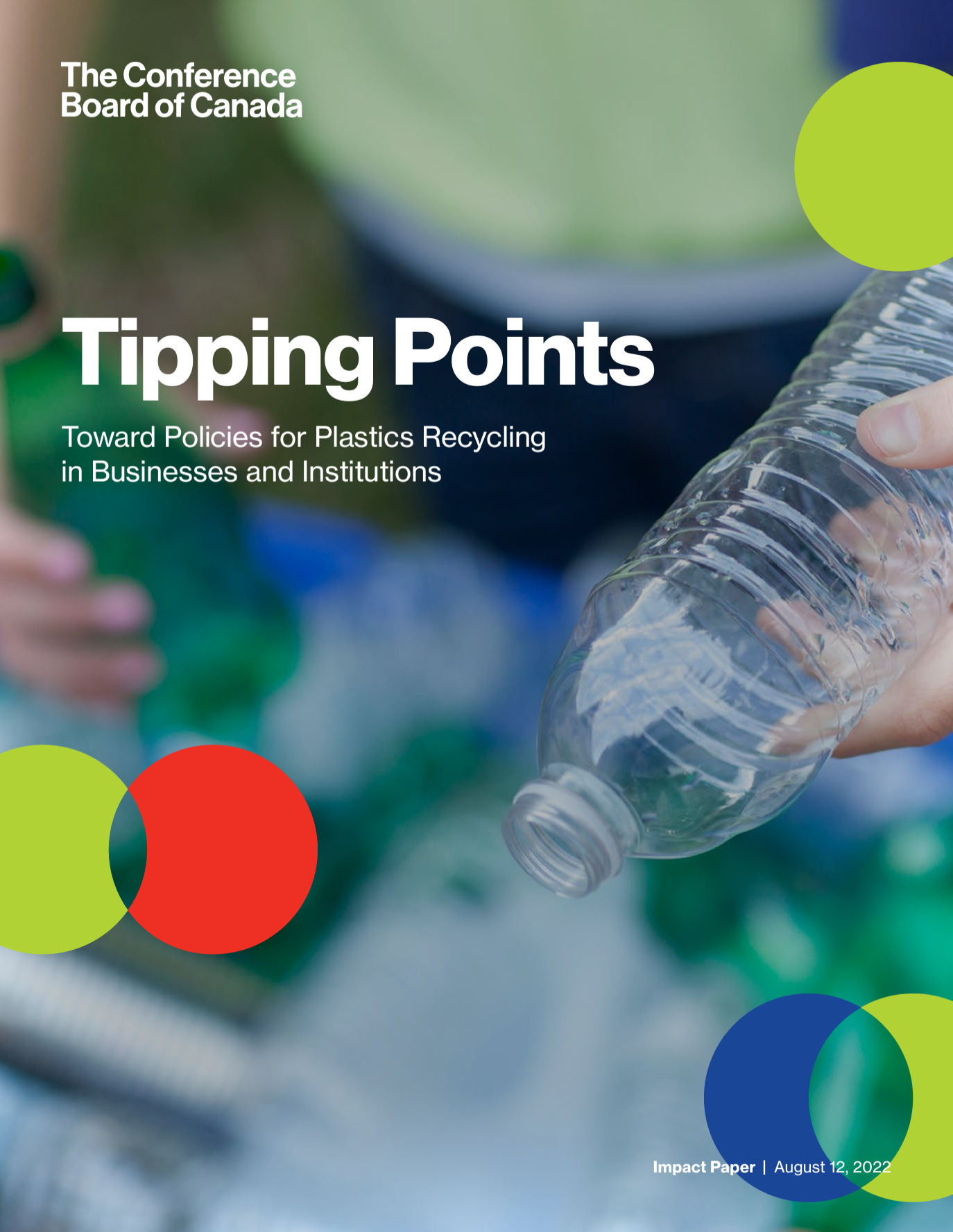
Tipping Points: Toward Policies for Plastics Recycling in Businesses and Institutions
August 12, 2022 • 42-min read
Gathering Circles: Perspectives From the Circular Plastics Economy Forum
Signal49 Research’s Circular Plastics Economy Forum gathered 186 stakeholders in Canada’s plastics economy to unpack consequential issues in investment attraction, recycled content, sustainable finance, and circular business models. These findings are informed by the
forum dialogue.
View the online experience
Gathering Circles: Perspectives From the Circular Plastics Economy Forum
October 7, 2022 • 8-min read
The responsibility for the findings and conclusions of this research rests entirely with Signal49 Research.