

Gathering Circles
Perspectives From the Circular Plastics Economy Forum
Key findings
- Compared with other commodities, recycled plastics have relatively crude, inefficient, and illiquid markets in Canada and the United States. Courting large pools of capital from sophisticated investors remains challenging.
- Finding an optimal balance among barriers to entry, competition, accountability, and consistency in regulations across provincial and international borders is fundamental to attracting private investment.
- Even in an ideal circular plastics economy with a landfill diversion and recycling rate of 100 per cent, material losses would still occur, creating waste streams. End-of-life management of these waste streams may require contentious “linear” solutions.
- Circular business models have the potential to transform our economy toward a more sustainable path. The necessary market signals for their success are lacking in Canada. Circular business models also require behavioural changes that some consumers and other stakeholders will resist.
Background
Signal49 Research’s Circular Plastics Economy Forum gathered 186 stakeholders in Canada’s plastics economy to unpack consequential issues in investment attraction, recycled content, sustainable finance, and circular business models. These findings are informed by the forum dialogue.
Booming optimism
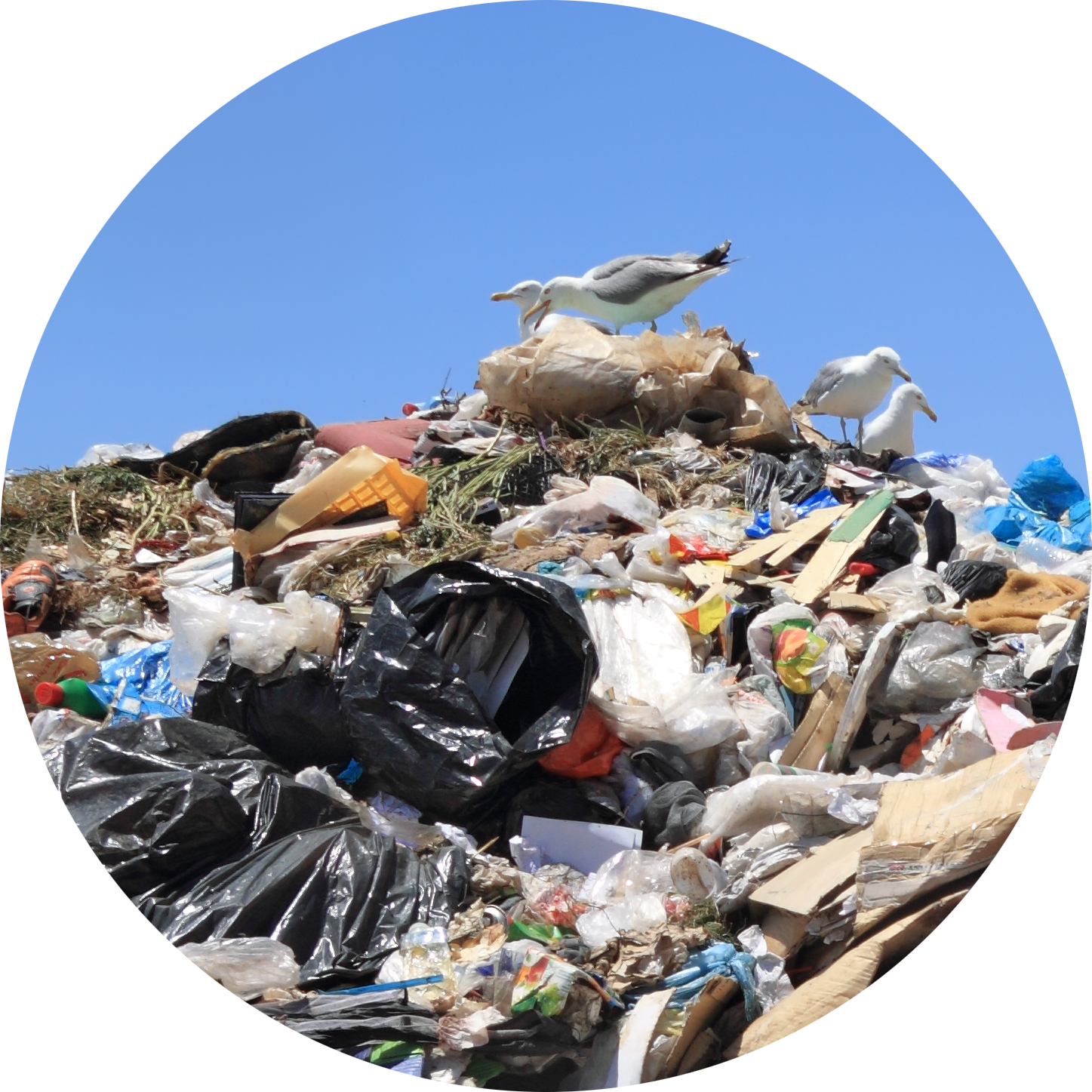
Plastics recycling is seeing a groundswell of optimism. Government regulations on recycled content, rising investments, and formidable growth prospects herald a new dynamism. Even competitors are swayed—producers of petrochemical “virgin” plastics now offer products with recycled plastics content. Many petrochemical producers have acquired or invested in plastics recycling firms.
But has the recycled plastics boom arrived? Not quite.
Bottlenecks persist
The growth of recycled plastics markets remains stunted by supply uncertainty in scale and quality.
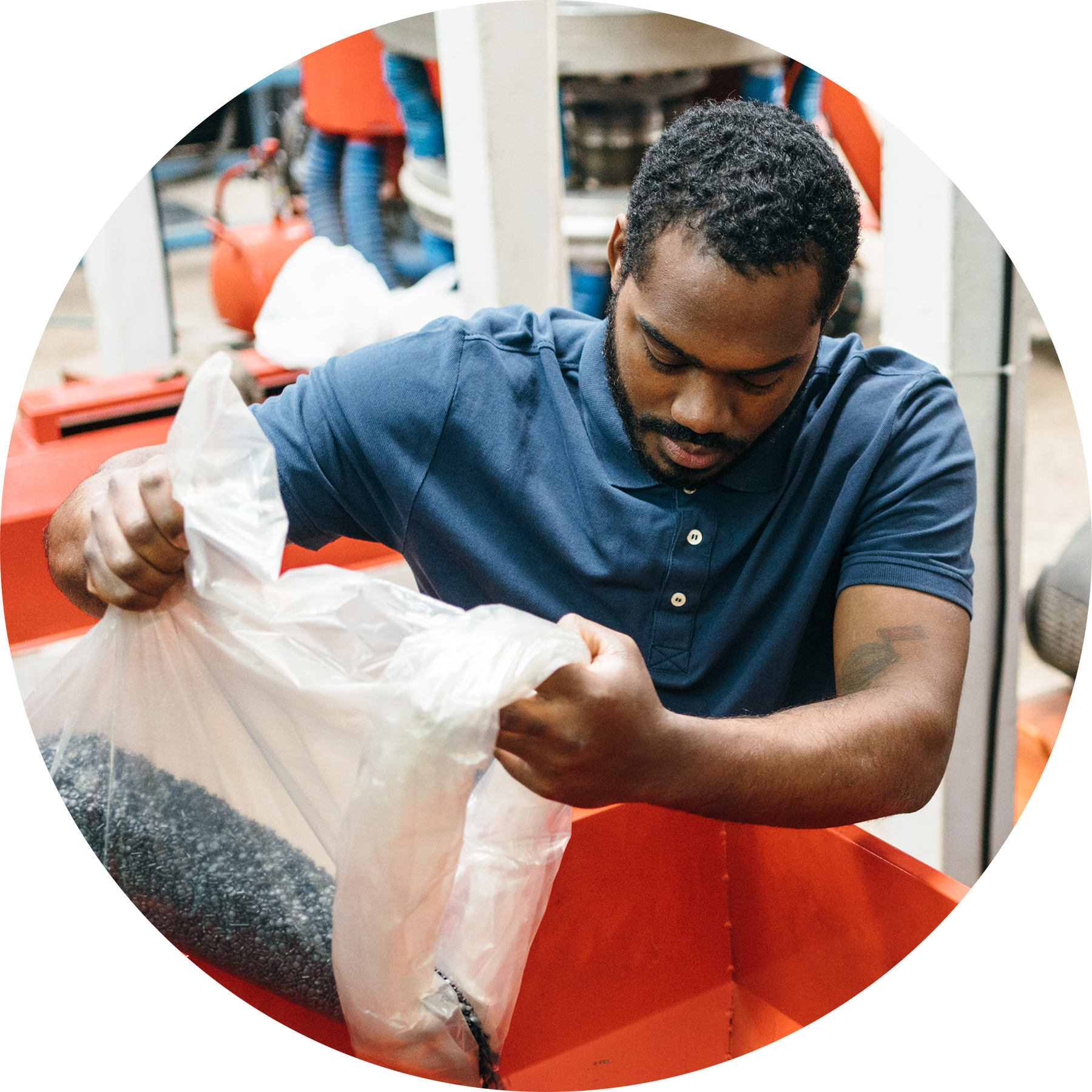
Only 14 of the top 100 plastics recyclers in North America exceed 100,000 tonnes of production.1 The output of virgin plastic producers is often measured in millions of tonnes. Recycled plastics quality has long suffered from contamination by residences, businesses, and institutions, as well as design flaws where circularity and recyclability are an afterthought.
These issues still ring true today. Moreover, the industry’s ability to court large pools of private capital is limited.
Reaching for deep pockets
Compared with other commodities, the structure of the North American recycled plastics market is underdeveloped. Liquidity, standardization, traceability, and verification of recycled plastics are in their infancy.
Most large, sophisticated financiers lack confidence in ample, long-term, and stable returns from plastics recycling. Despite the growth of sustainable finance where capital is allocated to investment opportunities that yield desired environmental, social, and governance (ESG) outcomes, profits remain paramount. Publicly traded waste management firms underscore this point.
Hauling it in
In 2019, the North American waste management industry exceeded US$200 billion in market size.2 From 2015 to 2019, two of the largest publicly traded waste management firms outperformed the Standard and Poor’s 500.3 Up to 20 per cent of their revenues were derived from landfills.
Sorting recyclables (including plastics) accounts for an average of 3 per cent of the revenues of the largest waste management firms. Mechanical or chemical recycling aren’t part of the operations of the leading firms.
But change may be on the horizon.
In March 2022, Republic Services, the second-largest waste management firm in North America, announced the vertical integration of mechanical recycling into its business as part of the development plans for an integrated recycling facility in Las Vegas. We need more of these initiatives to drive scale. The integration of material recovery facilities (MRFs) and recycling plants (i.e., mechanical or chemical recycling) can reduce challenges with feedstock access, logistics, and the efficiency of recycling markets.
Chart 1
Waste management firms are crucial to our recycled content goals
Q: Which value chain actor will have the most impact on achieving Canada’s 2030 recycled content target?
(percentage share of votes)

Note: Based on 52 responses from participants at the Plastics Forum.
Source: Signal49 Research.

Swaying big capital
Three measures can help change what large, sophisticated investors perceive as the limited bankability of plastics recycling.
Increase Barriers to Entry
Municipalities should be more strategic in granting licenses to operate in local plastics recycling markets. Limiting market players to those that will invest in the infrastructure needed can avoid infrastructure duplication and competition that is unproductive. This approach can enhance market and societal outcomes such as collection rates, landfill diversion rates, sorting quality, and plastic recycling rates.
Strike a Delicate Balance
Competition is healthy, so increasing market barriers that limit competition requires a delicate balance. The market power of entities in restricted markets must be balanced with regulations that hold actors accountable and incentivize behavioural change toward more sustainable outcomes.
Foster Regulatory Coherence Across Borders
Provinces and territories in Canada have disparate regulations on managing plastic waste. For instance, extended producer responsibility (EPR) regulations for plastics across Canada involve different definitions, thresholds of financial responsibility for industry, scopes of plastics, and recycling targets.
While most Canadian provinces and territories have some form of EPR regulation for plastic packaging, albeit with important differences, only four U.S. states do (see “Where Are EPR Regulations in North America?”). Also, the regulations of most Canadian and American jurisdictions don’t have a formal and consistent definition of plastics recycling.
Where are EPR regulations in North America?
British Columbia, Saskatchewan, Manitoba, Ontario, and Quebec have EPR regulations for plastic packaging. New Brunswick will introduce EPR in 2023, and Yukon has committed to implementing EPR by 2025. Alberta is expected to release EPR regulations in 2022, and Nova Scotia recently concluded consultations.
California, Oregon, Maine, and Colorado have passed laws for EPR regulations for plastic packaging, and more states are expected to follow suit.
Source: Signal49 Research.
Optimizing benefits
We can also optimize the benefits of recycled content regulations if governments maintain consistency across borders regarding key elements like the scope of application and verification tools. The lack of regulatory consistency across international and interprovincial borders deters investment. Governments need to make the rules of the game consistent across borders, even if this consistency introduces short-term risks and disruption for incumbents.
In August 2022, the Canadian Council of Ministers of the Environment published guidance on consistent definitions, roles, and other aspects of EPR. The federal government has also proposed a federal registry for plastic producers. These developments can contribute to regulatory coherence across borders.
If regulations can’t mirror one another, they should at least agree on the direction of travel.
Facing Hard Truths
A Material Losing Streak
A landfill diversion rate of 100 per cent won’t lead to a recycling rate of 100 per cent for two reasons:
- First, plastics recycling isn’t perfect; it has material losses that create waste streams. Even prior to recycling, after sorting and baling at MRFs, up to a third of plastic bales are rejected by mechanical recyclers.4 The mechanical recycling process has inefficiencies that also create material losses. In chemical recycling, some of the material losses are hazardous compounds (see Infinite Cycles).
- Second, there are a finite number of cycles before closed-loop or open-loop mechanical recycling is no longer possible. Some chemical recycling technologies can remedy this issue, but they’re largely pre-commercial.
We can’t eliminate material losses. And even if we achieve a recycling rate of 99 per cent in Canada, 1 per cent of the 6.3 million tonnes of plastic we consume annually—63,000 tonnes—is still a lot of waste. We need to confront this issue with pragmatism and objectivity. If recycling isn’t sufficient, what are we missing?

Contentious Alternatives
The rate at which plastic waste is incinerated (ideally, with energy recovery) in Canada may rise from its current level of 4 per cent if alternatives to landfills prove impractical. Incinerators with energy recovery as well as carbon capture and storage are gaining traction in Europe. But in Canada, incineration remains contentious, not least because of its propensity for air pollution.
Biodegradable plastics are also contentious. Even though they can circumvent the need to recycle and prevent pollution since they can be decomposed into organic matter, critics argue that they reinforce the take-make-use-dispose culture of the linear economy. Consumers won’t feel the need to reuse them, and they may compete with food supply. For biodegradable plastics from biomass, life cycle carbon emissions can be significant depending on where the biomass is sourced.
Even if incineration and biodegradable plastics are used, they are only part of the solution to plastic waste and pollution. To bolster the circular economy, we need systemic shifts that transform the design, production, consumption, and value of plastics in the post-consumption phase.
Chart 2
Incinerators are a fiery issue in Canada
Q: Would you support the development of new incinerators in Canada?
(percentage share of votes)

Note: Based on 52 responses from participants at the Plastics Forum.
Source: Signal49 Research.
Chart 3
Biodegradable plastics are either the saviour or the saboteur of the circular plastics economy
Q: Are biodegradable plastics a barrier to the circular plastics economy?
(percentage share of votes)

Note: Based on 49 responses from participants at the Plastics Forum.
Source: Signal49 Research.
Circular business models
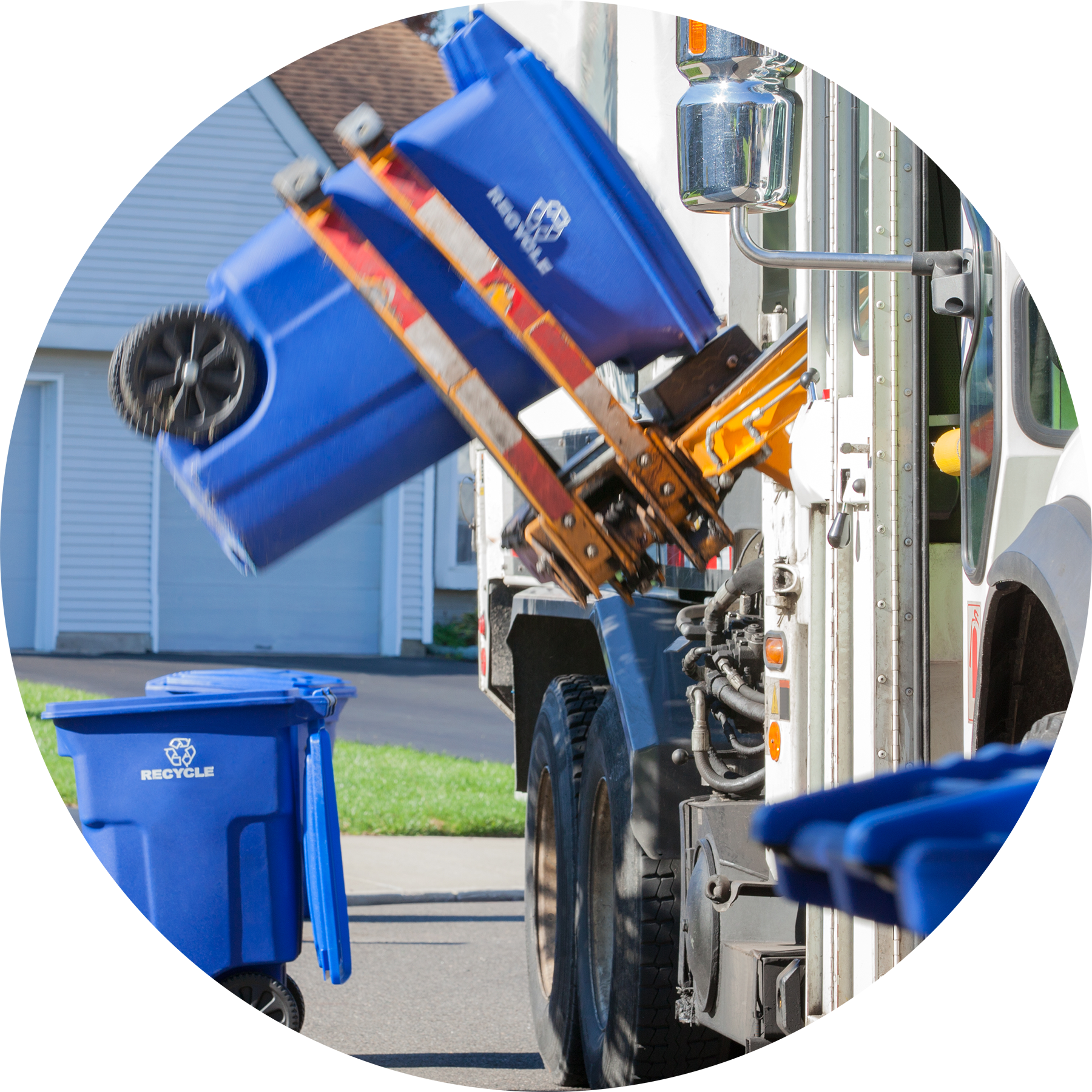
Circular business models provide an opportunity for a transformative shift to a more sustainable plastics economy, particularly for used durable plastic products like electronics, appliances, and toys, which require second-hand markets. Product-as-a-service (PaaS); life-extension models like reuse, repair, and refurbishment; and sharing models dominate the circular business model regime. These models present an economic paradigm shift with the potential for substantive and diverse societal benefits, including mitigating waste, pollution, and climate change and increasing the affordability of goods for consumers.
For instance, PaaS models maintain the producer’s ownership of products past the point of sale, giving producers an incentive to make products more durable and amenable to reuse, repair, and refurbishment. As such, recycling plastic materials is the last resort, not the first.
But in our linear economy, these circular business models face formidable challenges:
Weak Market Signals for Circular Procurement
In the context of procurement, governments and companies with considerable purchasing power give limited importance to (or show limited preference for) the ability of producers to deliver goods using circular business models. The tyranny of the lowest price reigns supreme. Products and services from circular business models usually come at a price premium.
To Have Is to Be: Ownership Is Personal
While opting to subscribe to services rather than own products is on the rise in some sectors and demographics, ownership is personal and intimate in others. Consumer behaviour can be irrational. Not all consumers will forego “property rights”5 over the products they use, even if doing so benefits the environment on which they depend.
Even where foregoing ownership is not an issue, public institutions with fixed expenditure budgets may be hesitant to convert what would ordinarily be a capital expense to an ongoing operational expense.
Closing thoughts
The velocity of innovation in the circular plastics economy is increasing, and Canadian policies will need to speed up to harness the dividends. But policies need markets that can yield desired outcomes. While green shoots are apparent, Canada’s recycling and second-hand goods markets are yet to be fit for purpose. Canada needs bold and innovative policies to address this market failure.
Demand isn’t the issue. Canada needs comprehensive policies that foster behavioural change for participants on the supply side of the market. Without these measures, Canada’s circular plastics economy will remain a noble aspiration—nothing more.
- Based on stakeholder dialogue at the Plastics Forum.
- Nathaniel Lee, “The Garbage Industry Has Outperformed the Market Since 2015. Here’s Why,” CNBC, July 22, 2021, https://www.cnbc.com/2021/07/22/how-the-garbage-industry-outperformed-the-market.html.
- Ibid.
- Patty Moore and Colin Staub, “Slipping Through the Cracks,” Plastics Recycling Update, Resource Recycling, Inc., last modified May 21, 2020, https://resource-recycling.com/plastics/2020/05/19/slipping-through-the-cracks/.
- Ethan Lou, “Subscription Overload? Why Our ‘Right to Own’ Is Important in a Subscription-Based World,” The Globe and Mail, last modified August 12, 2022, https://www.theglobeandmail.com/opinion/article-subscription-overload-why-our-right-to-own-is-important-in-a/.