


Immigration in Canada’s North
Labour Market Impacts
March 25, 2026
Immigration and labour markets in Canada’ s North
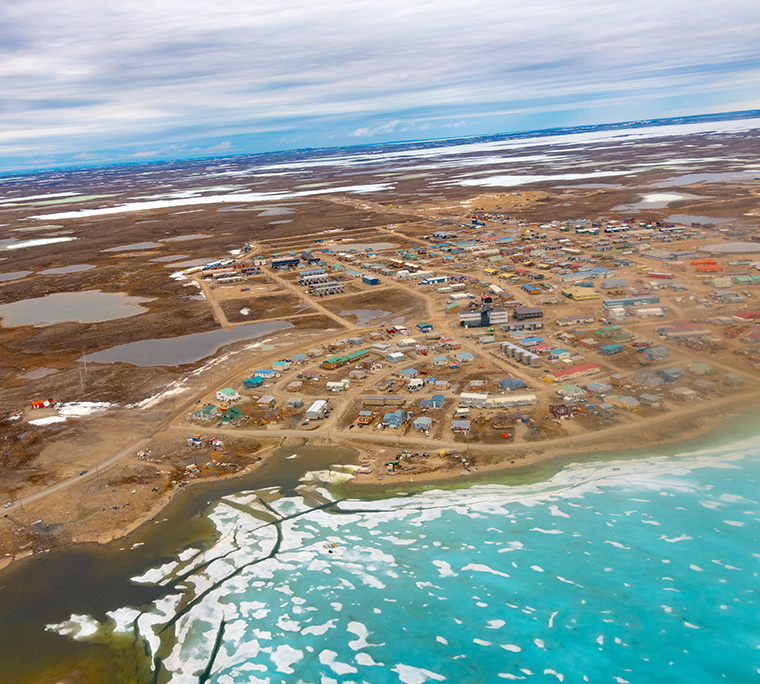
Aging populations, out-migration, and the limited availability of post-secondary training all contribute to labour shortages across Canada’s North.1 Federal worker immigration programs and provincial nominee programs play an important role in attracting skilled foreign workers to Northern regions.2 Although immigration to Canada’s North has increased over the last five years, many Northern communities continue to experience some of the greatest labour shortages in Canada.3
After rapid population growth driven by immigration between 2021 and 2024, the federal government’s 2025–2027 Immigration Levels Plan introduced abrupt cuts to permanent resident levels and implemented non-permanent resident targets for the first time.4 These abrupt changes have signaled a strategic policy shift toward sustainable immigration in Canada that balances economic needs with community capacity.5
However, in response to this shift, Northern leaders, local employers, and Indigenous partners expressed concern, warning that a nationwide one-size-fits-all approach to immigration does not work for small, Northern, and remote labour markets, which face unique challenges in addressing labour shortages.6 At the same time, there is a recognition that investments in housing, infrastructure, and services are needed in the North to improve communities’ capacity to support the population growth that will help address growing labour demand.7
To ensure sustainable immigration in the North that aligns with labour market demands, the federal, provincial, and territorial governments will need to continue consultations that incorporate feedback from Northern leaders, local employers, and Indigenous partners on the impact of cuts to immigration for Northern regions and the path forward. The 2026–2028 Immigration Levels Plan further reduced arrival targets for new non-permanent residents, but stabilized targets for permanent-resident admissions through provincial nominee programs.8

Measuring the impact of immigration on labour markets
In our analysis, we have chosen to focus on five regions in Canada’s North: Yukon, Northwest Territories, Nunavut, Northern Ontario, and Côte-Nord, Quebec.
Is immigration needed to support economic growth and labour markets in these Northern regions? What skills do new Canadians bring to the labour markets in each region? How can immigration help meet future labour-market demands?
To answer these questions, we use national and regional data from Statistics Canada’s Census of Population, Longitudinal Immigration Database, Annual Demographics Estimates, and Job Vacancy and Wage Survey. We also draw on Signal49 Research’s provincial and territorial forecasting models and Statistics Canada’s Job Vacancy and Wage Survey to assess labour demand across the selected regions.
More information on our methodology and definition of Canada’s North is available in our technical report.
- Signal49 Research’s definition of Northern and Southern Canada follows the Northern Development Ministers’ Forum definition of Canada’s North. According to this definition, Canada’s North includes the three territories along with the northern portions of seven provinces. Please see the technical report for more information.
- Immigration, Refugees and Citizenship Canada, “Live in Canada Permanently”; “Immigrate as a Provincial Nominee.”
- Statistics Canada, “Table 14-10-0398-01: Job Vacancies, Payroll Employees, and Job Vacancy Rate, by Economic Regions, Quarterly, Adjusted for Seasonality.”
- Immigration, Refugees and Citizenship Canada, “2025–2027 Immigration Levels Plan”; Boudjikanian, “Provinces Warn Ottawa Slashing Immigration Program in Half Will Hurt Economy.”
- Immigration, Refugees and Citizenship Canada, “Canada’s Immigration Levels.”
- Hatherly, “Yukon Businesses Will Suffer in 6 Months”; Jamal, “Nunavut Premier May Undertake Review”; Williams, “Work Permit Worry Looms”; Government of Northwest Territories, “Minister Cleveland Renews Call for Restored Nominee Allocations”; The Canadian Press, “‘Don’t Make Us Pay; Boudjikanian, “Provinces Warn Ottawa Slashing Immigration Program in Half Will Hurt Economy.”
- Pottie-Sherman and Christensen, “Immigration, Housing, and Infrastructure Deficits.”
- Immigration, Refugees and Citizenship Canada, “Supplementary Information”; Deep Singh, “Canada PNP Province-wide Targets for 2026 As Per New Immigration Plan.”
Is immigration needed to support Northern labour markets?

Nunavut is the only region we studied where birth rates remain higher than the national average and the working-age population is growing. In all other Northern regions we examined, increased out-migration of existing residents and declining birth rates are putting more pressure on immigration to grow or, at a minimum, maintain the population.1 In addition, outside of Nunavut, populations are aging and the working-age population is shrinking faster than in the rest of Canada. This creates a greater demand for labour than what we see in the South. Many sectors in these Northern regions rely on fly-in, fly-out labour to address shortages, which negatively impacts the regional economy, as the wages earned by these workers are not spent locally.2
Immigration to these Northern regions increased in 2021 and helped boost recovery from the COVID-19 pandemic.3 That increase reduced job vacancy rates in most Northern regions, but vacancies remain higher than the national average. Among all five Northern regions we looked at, federal cuts to provincial nominee programs will have the greatest impact on Northwest Territories and Yukon’s ability to meet existing labour demands, because in 2021, the majority of economic immigrants coming into these territories were provincial nominees.
Similar to the rest of Canada, the North could benefit from expansion of federal and provincial programs that support immigration to rural communities. According to 2021 data, the majority of immigrants to these Northern regions settle in a few hub communities, leaving smaller remote and rural communities struggling to attract skilled workers. The Rural Community Immigration Pilot (previously known as the Rural and Northern Immigration Pilot) is a community-driven federal immigration program that offers permanent residency to skilled workers who want to settle in a select number of rural and Northern communities in Canada.4 Since its launch in 2019, five communities in Northern Ontario have participated in the pilot, resulting in a large increase in immigration in that region.
To view the data in a table, hover over the chart with your desired geography selected, click on the ellipsis (three dots) in the top right corner of the chart, and click on “Show table.” To return to this page, click on “Back to report” in the top left corner while in the table view.
- Statistics Canada, “Fertility Indicators, Provinces and Territories.”
- Mulligen, Benefit, Burden, or Both?; Thompson, The Borders of Labour.
- Immigration, “CIMM: Role of Immigration in Canada’s Economic Recovery.”
- Immigration Refugees and Citizenship Canada, “Rural and Northern Immigration Pilot”; “Rural Community Immigration Pilot.”
What skills do immigrants bring to Northern labour markets?

According to 2021 data, immigrants and non-permanent residents across these Northern regions are addressing labour-market needs in occupations such as healthcare, sales and services, and natural and applied sciences. (See the regional findings below for more information).
In each Northern region, the majority of immigrants were filling positions that require a post-secondary education in 2021. In Nunavut, Northern Ontario, and Côte-Nord, Quebec, immigrants are making the greatest contribution to the labour market in occupations that require a university degree. With limited or no local access to university education, these Northern regions rely on immigration programs to help fill the demand for university-educated professionals.
Similar to the rest of Canada, the 2021 data shows that across Northern regions, non-permanent residents are more likely than immigrants to occupy jobs that do not require a post-secondary education. Among our study regions, Yukon has the highest share of non-permanent residents in such roles. These workers help meet labour demand in the territory that has the lowest unemployment rate among the regions studied and where the majority of job vacancies do not require a post-secondary degree.1
According to our profile, immigrants and non-permanent residents contribute most to regional business ownership in Northwest Territories and Yukon. In 2021, the top industries where immigrants and non-permanent residents own businesses differed across regions, but these groups made the largest contribution to business ownership in the following industries: healthcare and social assistance, accommodation and food services, and transportation and warehousing.
Please see our regional findings and the charts below for more information.
Regional findings (2021)

- Immigrants and non-permanent residents contribute most to the labour market in natural and applied sciences, where they make up 7 per cent of the labour force; health occupations, where they make up 4 per cent; and legislative and senior management, where they make up 3 per cent of the labour force.
- Sixty-eight per cent of immigrants and 66 per cent of non-permanent residents are filling jobs that require a post-secondary education.
- Immigrants and non-permanent residents contribute most to the labour market in occupations that require a university degree, where they make up 6 per cent of the labour market working in such jobs.
- Ten per cent of immigrants in the region are business owners. Immigrants and non-permanent residents make up 6 per cent of all business owners in the accommodation and food services sector, 5 per cent in the retail sector, and 5 per cent in the healthcare and social services sector.
- Immigrants and non-permanent residents contribute most to the labour market in the natural and applied sciences, health, and sales and service sectors. They make up 11 per cent of the labour force working in natural and applied sciences, 10 per cent in health, and 10 per cent of the labour force working in sales and service occupations.
- Sixty per cent of immigrants and 49 per cent of non-permanent residents are filling jobs that require a post-secondary education.
- Immigrants and non-permanent residents contribute most to the labour market in occupations that require a university degree and occupations that require management training. They make up 10 per cent of workers in Northern Ontario working in jobs requiring a university education and 8 per cent of the labour market working in jobs requiring management training.
- At 18 per cent, business ownership among immigrants in Northern Ontario is comparable to the national rate, while 3 per cent of non-permanent residents own a business. Immigrants and non-permanent residents make up 26 per cent of all business owners in the accommodation and food services industry, 13 per cent in the transportation and warehousing sector, and 13 per cent in the healthcare and social assistance sector.

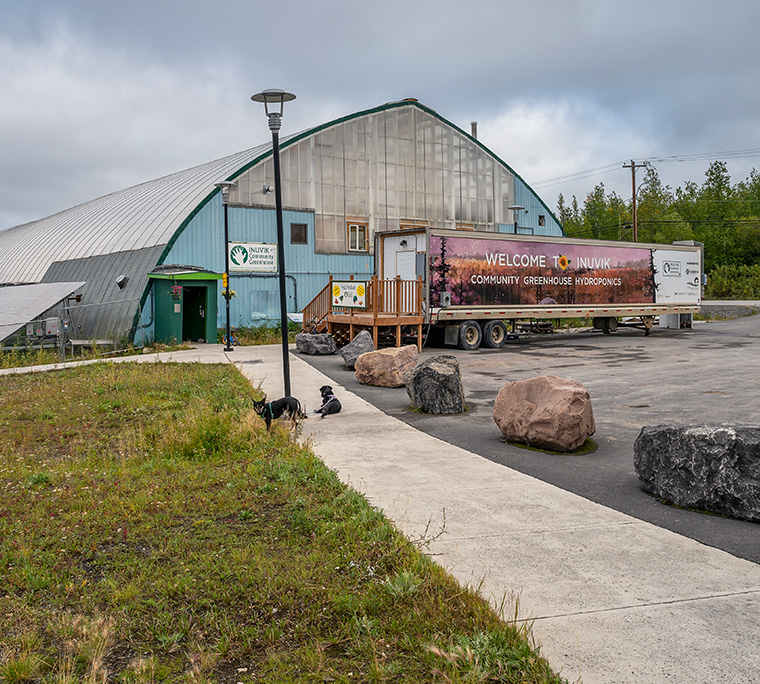
- Immigrants and non-permanent residents contribute most to the labour market in sales and service occupations, where they make up 24 per cent of the labour market; health occupations, where they make up 22 per cent of the labour force; and natural and applied sciences, where they make up 20 per cent of the labour force.
- Fifty-six per cent of immigrants and 49 per cent of non-permanent residents are filling jobs that require a post-secondary education.
- Immigrants and non-permanent residents contribute most to the labour market in jobs that do not require a post-secondary education. They make up 19 per cent of workers in the territory working in jobs that require no formal education and 18 per cent of workers in jobs that only require on-the-job training.
- Ten per cent of immigrants to the territory are business owners. Immigrants and non-permanent residents make up 64 per cent of all business owners in the transportation and warehousing sector and 35 per cent in the accommodation and food services sector.
- Immigrants and non-permanent residents contribute most to the labour market in health occupations, where they make up 22 per cent of the labour force, and natural and applied sciences, where they make up 21 per cent of the labour force.
- Sixty-four per cent of immigrants and 69 per cent of non-permanent residents are filling jobs that require a post-secondary education.
- Immigrants and non-permanent residents contribute most to the labour market in occupations that require a university-level education and occupations that require management training. They make up 16 per cent of the labour market in occupations requiring a university degree and 13 per cent of the labour force working in jobs that require management training.
- Five per cent of immigrants and 17 per cent of non-permanent residents in Nunavut are business owners. Immigrants and non-permanent residents make up almost 30 per cent of business owners in the other services sector, 30 per cent in the healthcare and social assistance sector, and 30 per cent in the transportation and warehousing sector.


- Immigrants and non-permanent residents contribute most to the labour market in the sales and service, health, and manufacturing and utilities occupations. They make up 32 per cent of the labour market in sales and service occupations, 21 per cent in health occupations, and 21 per cent in manufacturing and utilities occupations.
- Fifty-six per cent of immigrants and 39 per cent of non-permanent residents are filling jobs that require a post-secondary education.
- Immigrants and non-permanent residents contribute most to the labour market in jobs that do not require a post-secondary education. They make up 29 per cent of workers in the territory working in jobs that require no formal education and 23 per cent of the labour market in jobs that only require on-the job training.
- Thirteen per cent of immigrants and 2 per cent of non-permanent residents in Yukon are business owners. Immigrants and non-permanent residents make up 33 per cent of business owners in the finance and insurance sector and 29 per cent in the accommodation and food services sector.
- Statistics Canada, “Table 14-10-0443-01”; “Table 14-10-0464-01.”
Challenges with retention and integration

While many Northern regions attract highly skilled foreign workers, particularly via economic immigration programs, newcomers to Canada often face challenges settling and integrating into the labour market.
Over the last decade, trends in immigrant retention rates suggest ongoing challenges with the settlement and integration of immigrants to our studied Northern regions. The one-year and five-year retention rates of immigrants landing in these regions are lower than the Canadian average, and in most regions, there was a decline between 2012 and 2021 in the number of landed immigrants who settled in their intended destination. Cuts to provincial nominee programs may further impact retention in Canada’s North, given that nominees are required to settle in the province or territory that sponsored them.
Declining retention rates signal a need to better support settlement in these Northern regions. Housing availability and affordability is an important barrier to retention for newcomers to Canada.1 According to 2021 data, newcomers living in Northern Ontario, Yukon, and Northwest Territories were more likely to live in crowded houses than the resident population, with non-permanent residents impacted the most by housing shortages. This finding differs in Nunavut, where immigrants were less likely to live in crowded households compared with the resident population. Given the federal government’s initiative to transition more non-permanent residents to permanent residents, housing availability and affordability in these regions will need to be addressed.2
Whether or not foreign-earned credentials and work experience are recognized also impacts the type of work newcomers can find.3 Across the regions we studied, non-permanent residents were most likely to be overqualified for their jobs. While the fields where immigrant and non-permanent residents were most likely to be overqualified differed across regions in 2021, overqualification was predominant in the fields of engineering, education and mathematics, and computer and information sciences. And in most regions, immigrants with foreign-earned post-secondary education credentials were more likely to be overqualified for their jobs compared with those educated in Canada, with the largest gaps seen in Côte-Nord, Quebec and Northwest Territories.
- Immigration Refugees and Citizenship Canada, “The Standing Committee on Canada’s Temporary and Migrant Labour Force.”
- Immigration, Refugees and Citizenship Canada, “2025–2027 Immigration Levels Plan.”
- Statistics Canada, “Canada Leads the G7 for the Most Educated Workforce”; Brosseau, Recognition of the Foreign Qualifications of Immigrants; Employment and Social Development Canada, Survival to Success.
Do incoming skills align with labour market demands?

To prepare for the forecasted labour-market needs in each region and adapt to shifting immigration targets, provincial and territorial governments will need to balance local workforce development initiatives with attracting newcomers to Canada who have in-demand education, skills, and work experience. Based on our comparison of the type and skill level of occupations that recent immigrants are working in against the projected demand for labour, we identify the following opportunities for workforce development in each region that can better align the attraction of newcomers with in-demand skills in the labour market.
Our comparison is not intended to suggest that the proportion of jobs filled by recent immigrants should equal the demand for labour. Rather, we highlight occupation types and skill levels where there are marked differences between the proportion of recent immigrants filling these roles in the labour market and the projected demand.
Please see our regional findings and the charts below for more information.
Regional findings
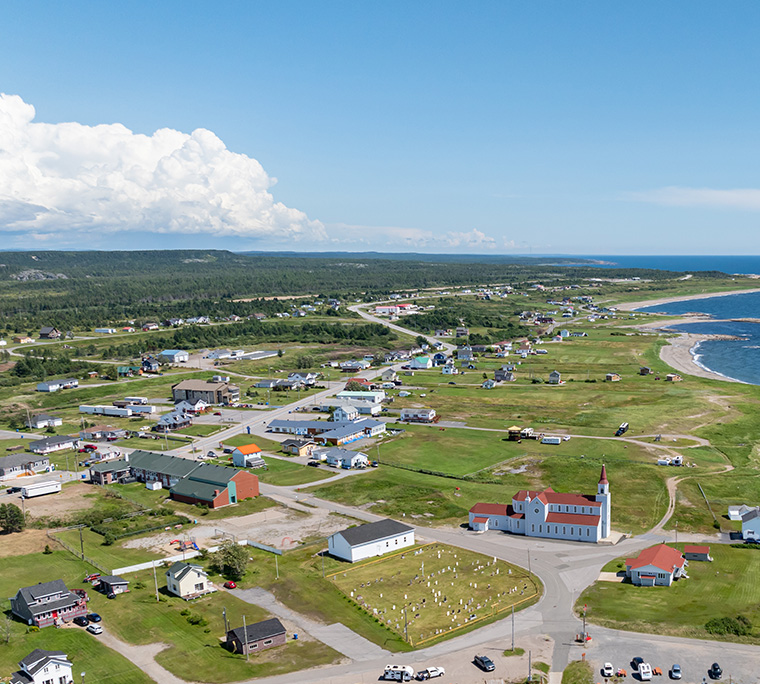
- Focus on attracting a labour pool with the skills needed to meet existing demand in health occupations, which represented 21 per cent of vacant job openings in 2023; occupations in education, law, and social, community, and government services, which represented 23 per cent of vacant jobs; and occupations in trades, transport, and equipment operators, which represented 17 per cent of vacant jobs. The proportion of recent immigrants to the region working in these occupations in 2021 fell below demand, with 11 per cent working in health occupations, 16 per cent in education and related occupations, and 11 per cent in trades, transport, and equipment operators.
- Develop strategies to rebalance the proportions of local and immigrant workers in sales and service occupations. These occupations accounted for 20 per cent of vacant job openings in 2023, yet 40 per cent of recent immigrants to the region were employed in sales and services occupations in 2021.
- Implement training programs and consider developing targeted immigration programs to increase the number of workers with college or apprenticeship training of two or more years. In 2023, 27 per cent of vacant jobs required college or apprenticeship training of two or more years, while in 2021, only 10 per cent of recent immigrants to the region worked in jobs requiring this level of training.
- Develop targeted recruitment efforts to attract workers with the skills needed in trades, transport, and equipment operator occupations, along with education, law, social, community, and government services occupations, both of which represent 18 per cent of the projected top 50 job openings in the region between 2025 and 2034.The proportion of recent immigrants to the region working in these occupations in 2021 fell below projected demand, with 13 per cent working in trades, transport, and equipment operator occupations and 11 per cent in education, law, social, community, and government services occupations.
- Introduce initiatives and incentives to support on-the-job training and strengthen immigration programs to expand the number of workers with college or apprenticeship training of less than two years. It is expected that 23 per cent of the top 50 in-demand jobs in the region between 2025 and 2034 will require college or apprenticeship training of less than two years or on-the-job training of more than six months, yet in 2021, only 17 per cent of recent immigrants to the region were employed in jobs requiring that level of training.


- Focus on strategies to build a workforce that addresses future demand in education, law, and social, community, and government service occupations, which are expected to account for 33 per cent of the top 50 in-demand jobs in the territory between 2025 and 2034. In 2021, the proportion of recent immigrants to the territory working in these occupations fell below projected demand, at only 14 per cent.
- Balance the employment of local and immigrant workers in sales and service occupations. While these occupations are expected to account for 20 per cent of the top 50 in-demand jobs between 2025 and 2034, 40 per cent of recent immigrants to the territory were employed in sales and service occupations in 2021.
- Focus on attracting and retaining workers with a university-level education. There is no university in the territory, which is a barrier to growing the local university-educated workforce. It is expected that 24 per cent of the top 50 in-demand jobs in the territory between 2025 and 2034 will require a university-level education, but only 16 per cent of recent immigrants to the territory held that level of education in 2021.
- Prioritize strategies to develop a workforce that meets the future demand for trades in the territory. Trades, transport, and equipment operator occupations are projected to account for 11 per cent of the top 50 in-demand jobs between 2025 and 2034, yet only 8 per cent of recent immigrants to the territory were employed in these occupations in 2021.
- Support local on-the-job training initiatives and explore the creation of targeted immigration programs to expand the number of workers with college or apprenticeship training of less than two years or longer-term on-the-job training. It is expected that 21 per cent of the top 50 in-demand jobs in the region between 2025 and 2034 will require college or apprenticeship training of less than two years or longer-term on-the-job training, yet only 15 per cent of recent immigrants to the region held this level of training in 2021.
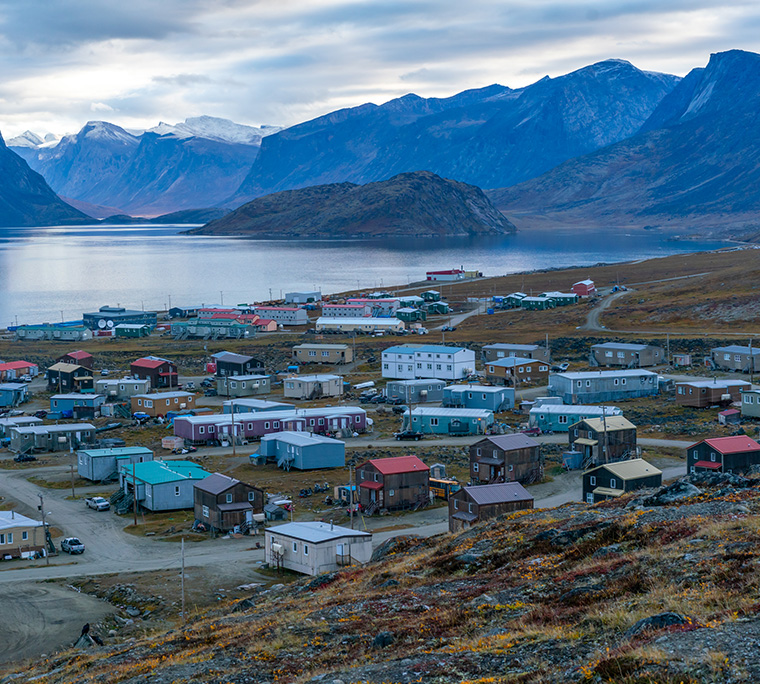

- Focus on attracting a labour pool with the skills needed in education, law, social, community, and government services occupations, along with trades, transport, and equipment operator occupations. While 25 per cent of the top 50 job openings in the territory between 2025 and 2034 are expected to be in education, law, social, community, and government services occupations, only 16 per cent of recent immigrants to the territory were employed in these occupations in 2021. In addition, trades, transport, and equipment operator occupations are expected to account for 21 per cent of the top 50 job openings in the region between 2025 and 2034, yet only 12 per cent of recent immigrants worked in these occupations.
- Develop strategies to balance the employment of local and immigrant workers in sales and service roles. While sales and service occupations are expected to account for 21 per cent of the top 50 in-demand occupations between 2025 and 2034, 37 per cent of recent immigrants to the territory were employed in sales and service occupations in 2021.
- While Yukon University continues to expand its programming, the focus in the short term should be on attracting and retaining workers with a university degree to the territory. It is expected that 19 per cent of the top 50 in-demand jobs in the territory between 2025 and 2034 will require a university-level education, but only 10 per cent of recent immigrants to the territory held that level of education in 2021.
This research was prepared with financial support provided by the funders of the Centre for the North. For further information, visit the Centre for the North.
Many Signal49 Research colleagues helped to bring this research to life, including Adam Fiser, Principal Research Associate, PhD, who conceived of this initiative and provided overall project development and oversight throughout the research process. Amanda Thompson, Lead Research Associate, PhD, and Jacob LeBlanc, Senior Research Associate, MAE, were the lead researchers on the project.
The online experience was designed by Mallory Eliosoff, Senior Graphic Designer. We also wish to thank the members of the Research Advisory Board who supported this research:
• Laura Way, Director, Program Policy, Research and Evaluation, Canadian Northern Economic Development Agency
• Ophélie Tremblay Grenier, Conseillère en développement durable, Pôle d’expertise en développement durable, Société du Plan Nord
• Bryanne de Castro Rocha, Policy Advisor, Federal Economic Development Agency for Northern Ontario
The methodology and data sources are detailed in our technical report: