
Strengthening Social and Emotional Skills in Adults
The Learning Experience at Canadian Colleges

April 13, 2022
We know that social and emotional skills (SES)—such as communication, collaboration, and leadership—are critical for life success.
Yet the bulk of programs that teach SES end after high school.
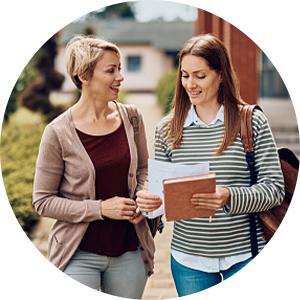
Learning Is Lifelong
We continue developing SES in adulthood—through informal experiences like employment, co-ops, volunteering, extracurriculars, and caregiving, as well as formal instruction.
These skills are important. So how are post-secondary institutions teaching them?
We are Signal49 Research’s Education and Skills team.
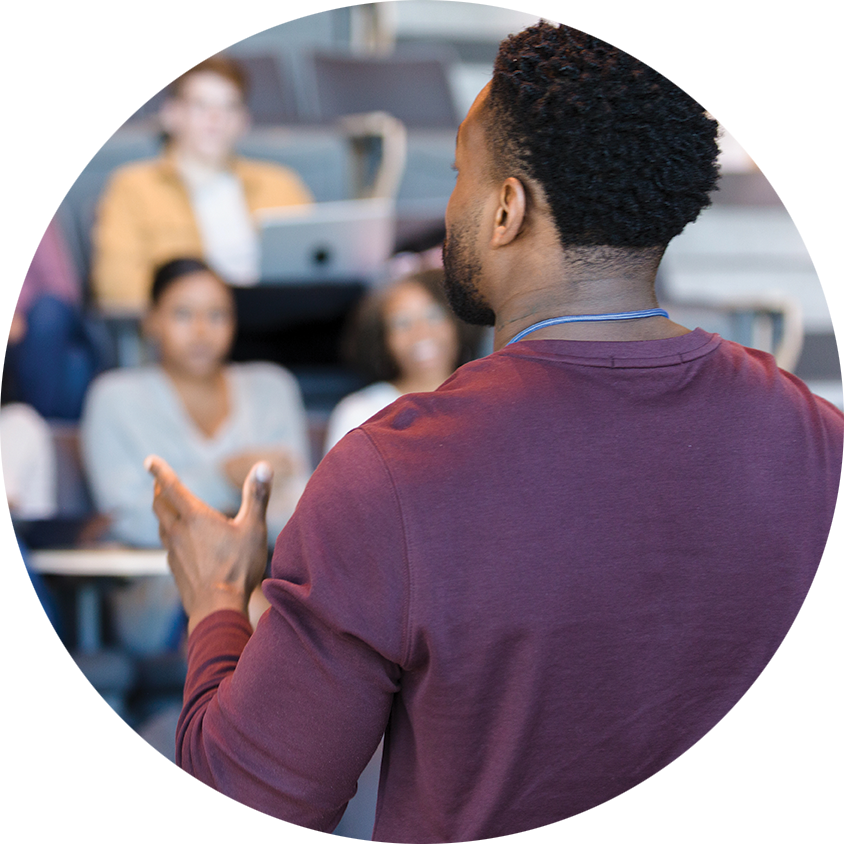
We want to know how the college classroom environment is fostering the development of social and emotional skills.
Our research will help us better understand:
- what instructors and students think are important skills to learn (and why);
- how classroom instruction can help.
COVID-19 has changed learning for everyone. Our research will study its impacts on the teaching and learning of SES—skills that inherently involve interpersonal connection.
What SES Learning Looks Like
Formal education can teach SES in different, but beneficial, ways:
Embedded
Teaches skills implicitly, within subject matter content. There is no direct reference to, or assessment of, these skills.
Example
A group engineering design project.

Standalone
Teaches skills explicitly, separate from subject matter content.
Example
A course (or module within a course) that teaches and assesses communication skills, using assignments like a presentation on a topic not related to the student’s field of study.

Integrated
Teaches skills explicitly, alongside subject matter content.
Example
A student-led presentation assignment on a subject, with assessment of communication skills alongside subject-matter knowledge.
Source: Deesha Chadha, “A Curriculum Model for Transferable Skills Development.”
Social and Emotional Skills Courses Across Canada

We looked at college courses available across Canada that aim to develop one or more SES.
We found a range of course lengths, teaching methods, and assessment techniques. Many courses focus on communication skills.
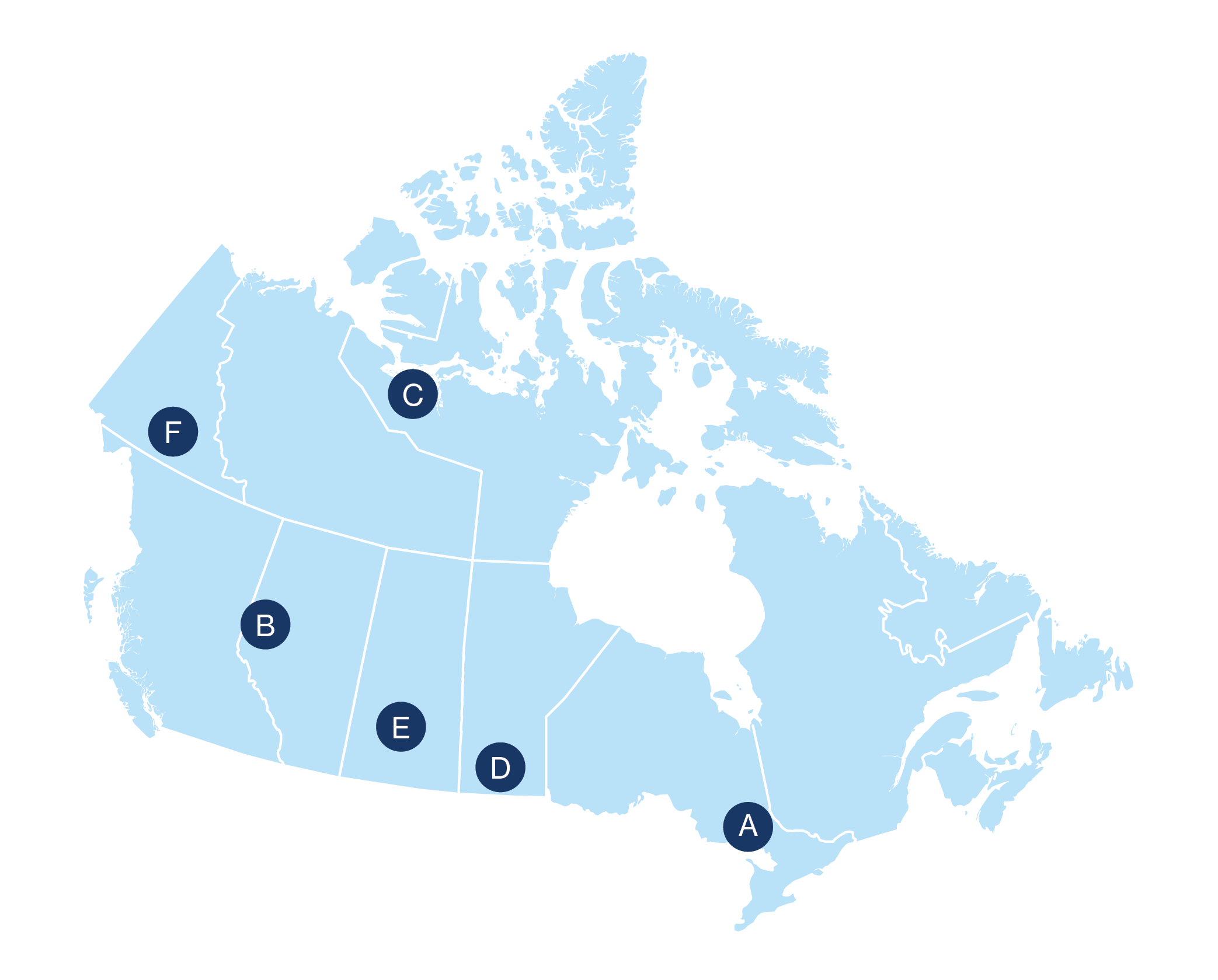
Here are some examples of standalone courses we found in our scan.
- BUS 1125: Business Professionalism
- Department: Open course within General Education
- Target skills: Complex problem-solving, active listening, speaking, service orientation
- Course length: 24 hours
- Teaching methods: lectures, class discussions, group work, presentations, reflective writing, guest speakers, case studies
- DSS01: 10 Soft Skills You Need
- Department: Open course within Continuing Education
- Target skills: Active listening, speaking, complex problem-solving, social perceptiveness
- Course length: 8 hours
- Teaching methods: Direct instruction, including case studies and learner-developed action plans.
- 014-102: Interpersonal Communication
- Department: Required course within Social Work
- Target skills: Active listening, speaking, social perceptiveness, negotiation
- Course length: 11 hours
- Teaching methods: Includes classroom seminars, guest speakers/Elders, applied learning, project work, field trips
- COMM1173: Communication Strategies
- Department: Required course within diploma programs
- Target skills: Coordination, social perceptiveness, negotiation
- Course length: 45 hours
- Teaching methods: Discovery and project-based activities including reflections, case studies, and resource gathering
- COMM291: Interpersonal Communications
- Department: Open course within Continuing Education
- Target skills: Active listening, speaking, social perceptiveness, complex problem-solving
- Course length: 30 hours Teaching methods: Lectures, individual work, group work
- CRES 1311: Communicating in Conflict
- Department: Open course within Continuing Education
- Target skills: Active listening, speaking, social perceptiveness, active learning
- Course length: 24 hours
- Teaching methods: Experiential exercises that ask learners to self-reflect, analyze, and apply to conflict situations.
Have a course to add to our list? Tell us.
Learn more
Check out our work for the Future Skills Centre, including more research on social and emotional skills:
- The Future is Social and Emotional
- Measuring Social and Emotional Skills (online experience)
- What are Canadian Post-Secondary Institutions Saying and Doing? (issue briefing)
- A Toolbox Talk on SES in the Construction Trades (issue briefing)
- Identifying and Assessing SES in the Tourism and Hospitality Industry
- Future Skills Centre Podcast (Ep. 01: Developing Social and Emotional Skills in an Automated World)
FSC partners



The responsibility for the findings and conclusions of this research rests entirely with Signal49 Research.