


Consumer Price Index Decelerated in June
In June, the Consumer Price Index (CPI) rose by 2.8 per cent year-over-year (y/y). This was cooler than May’s 3.2 per cent increase.
- Gasoline prices fell by 10.2 per cent month-over-month but were 20.5 per cent higher than a year ago. Food price growth (at stores and restaurants) decelerated to 3.5 per cent (y/y) following a 3.8 per cent increase in May.
- Core CPI (excluding food and energy) grew by 1.8 per cent in June (y/y), up from 1.6 per cent in May. Gasoline, rent, and restaurant food were key contributors to year-over-year CPI growth.
- On a seasonally adjusted basis, the CPI fell by 0.1 per cent from the previous month (following a 0.4 per cent increase in May).
- The average of the Bank of Canada’s two preferred core inflation measures declined to 1.9 per cent (y/y) in June—down from 2.1 per cent in May. CPI-median fell to 1.9 per cent (from 2.1 per cent in May), while CPI-trim declined to 1.8 per cent (down from 2.0 per cent in May).
Key insights
With energy prices falling following ceasefire discussions between the United States and Iran, Canada’s CPI growth cooled in June. Gasoline prices declined by 10.2 per cent in June (m/m) following a 5.6 per cent increase in the previous month. At the same time, gas prices were still 20.5 per cent higher than a year earlier and were the primary driver behind all-items CPI growth, which came in at 2.8 per cent (y/y). Shelter prices, particularly rent, also remained an important source of downward pressure on overall prices. Shelter price growth slowed to 1.5 per cent in June (y/y) from 1.7 per cent in May. Food price growth also eased, falling to 3.5 per cent from 3.8 per cent in May.
The near-term outlook for consumer prices remains closely tied to energy markets. Following the resumption of hostilities between the United States and Iran, oil prices have moved higher once again. This upswing will keep Canada’s CPI growth elevated in July and, without a ceasefire, into subsequent months. The longer that energy prices remain elevated, the higher the risk that fuel and transportation costs will pass through to other goods and services. The conflict in the Middle East has also shaken consumer and business inflation expectations, which ticked higher over the last quarter. As these expectations rise, the chance of spillovers into wage growth increases. Some offset from shelter, cooler population growth, and weaker demand will continue to keep some pressure off the headline figure. However, with prospects for an enduring peace agreement highly uncertain and oil prices trending higher since early July, the risks to the inflation outlook remain tilted to the upside.
Despite the inflation surge, the Bank of Canada will likely hold its policy rate steady in September. Given that the cause of the inflationary spike is well-understood, inflation should ease following an end to the conflict in the Middle East and a normalization of global energy markets. CPI growth is also well-contained—with core pressures coming in at a much cooler 1.9 per cent (y/y) in June. Economic growth in Canada has also tentatively turned around, clarifying the picture for the Bank. However, persistent disruption to energy supply chains from a sustained conflict in the Middle East is a critical upside risk. While the Bank will likely pause in September, a continuation of the conflict into the latter half of the year could eventually spur a hike to contain price pressures.
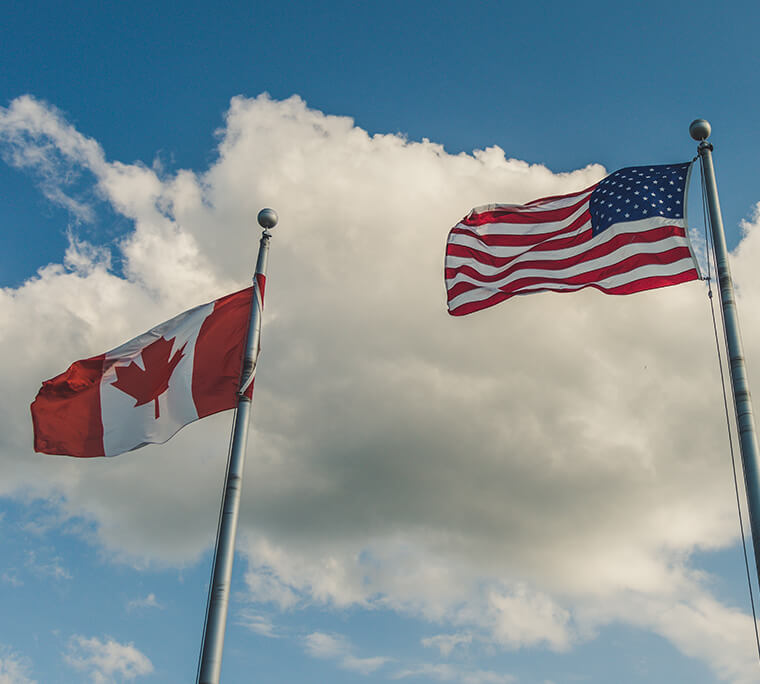
For more details about the impact of the shifting geopolitical landscape and our research on Canada’s place in a changing world, please read more here.
Related Insights
-

Inflation Remained Elevated in August
In August, the Consumer Price Index (CPI) rose by 3.0 per cent year-over-year (y/y), matching July’s 3.0 per cent increase….
-

August’s Job Numbers are Sobering but Unsurprising
Employment declined by 41,700 (–0.2 per cent) in August following three consecutive months of robust employment growth. The labour force participation…
-
Rates Unchanged as Bank Weighs Tariff and Energy Risks
The Bank of Canada held the overnight rate at 2.25 per cent, the Bank Rate at 2.50 per cent, and the deposit…