

Two Years Later: What Jasper’s Recovery Can Teach Canada About Building Resilient Communities
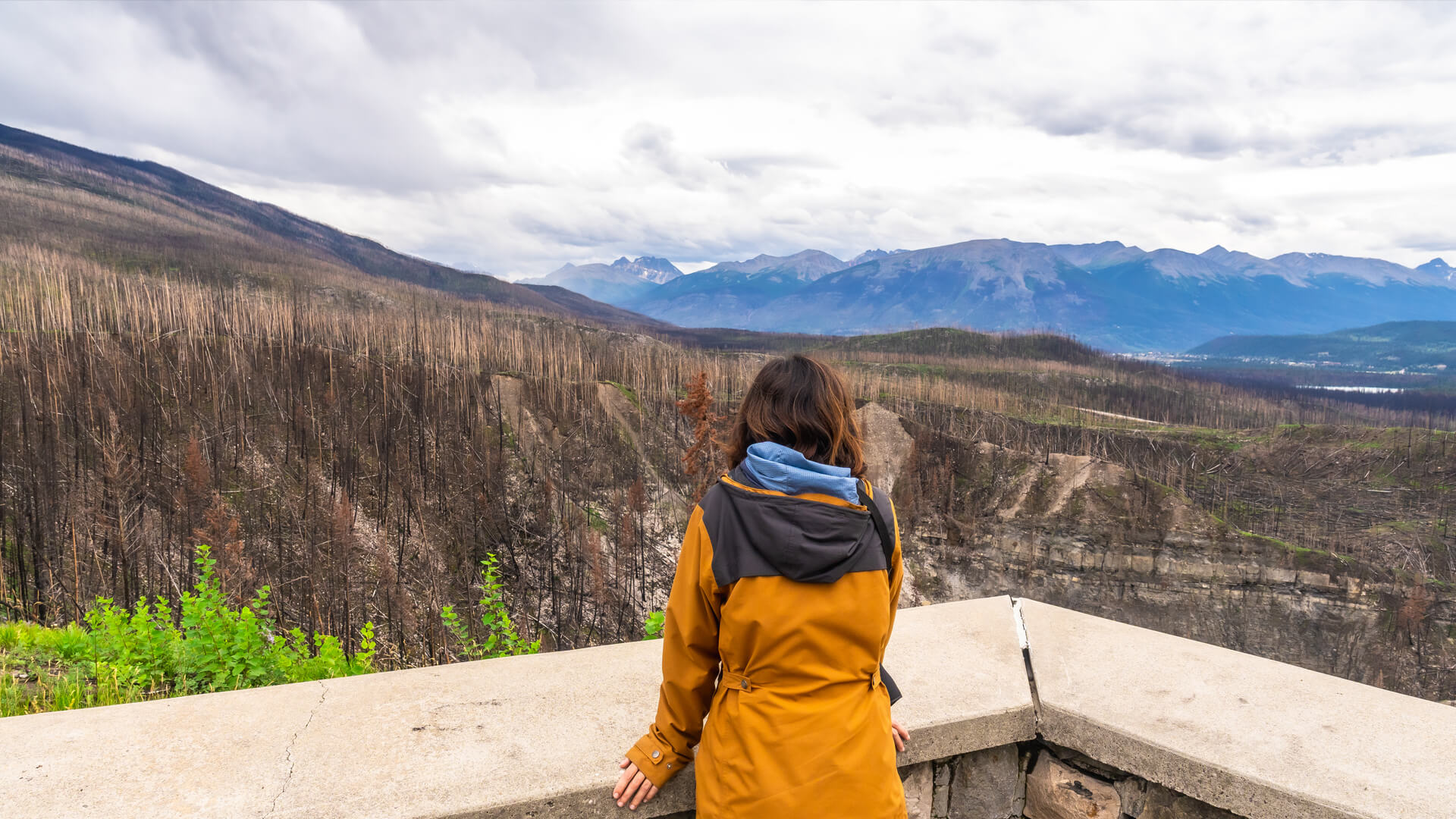
Two years ago, the Jasper wildfire altered one of Canada’s iconic mountain communities as homes were lost, businesses closed and residents displaced. The fire damaged infrastructure, but it also disrupted the social and economic systems that underpin a community.
Disasters capture national attention during the response phase, when evacuations and damage assessments dominate headlines. Recovery, however, unfolds over months and years. It extends beyond rebuilding homes and infrastructure to restoring critical social, economic, and governance foundations that enable communities to function.
Jasper’s experience has national relevance, as many recovery challenges are not unique to the region. Communities across Canada face difficulties in recovery related to housing, workforce retention, insurance affordability, administrative complexity, debris management, environmental remediation, and long-term wellbeing. Smaller communities often face these challenges with limited resources and capacity.
These challenges don’t occur in isolation. Housing availability impacts workforce capacity. Workforce capacity impacts business continuity. Business recovery influences economic resilience and community wellbeing. This systems-based understanding is increasingly important as communities face more frequent and complex disasters.
Jasper also illustrates the importance of insurance and financing in shaping recovery trajectories. Businesses faced revenue losses during peak tourism season, while rising reconstruction costs, coverage limitations, and the timing and design of financial support influenced how households and businesses moved through recovery.
In some cases, insurance and public assistance addressed immediate needs; in others, gaps or delays contributed to ongoing financial pressure. The broader lesson is that financial resilience must be built into recovery planning, so households, businesses, and communities are better supported through costly recovery.
The success of recovery cannot be measured only by homes rebuilt or infrastructure restored. It must also be evaluated through community wellbeing, economic stability, social cohesion, and the capacity to adapt and thrive.
Jasper’s experience demonstrates that recovery is rarely linear. New challenges emerge, priorities shift, and community needs change. Effective recovery depends on governance that is collaborative, flexible, and capable of responding to complexity.
One of the notable successes in Jasper’s recovery was coordinated, adaptive governance. Recovery brought together all levels of governments, not-for-profit and community organizations, businesses, insurers, and residents. Stakeholders worked collaboratively to address interconnected challenges, from debris removal and environmental remediation to housing, business recovery, and community support.
Since recovery is shaped by interconnected systems, Canada would benefit from a more standardized national approach to disaster recovery. A national recovery framework would not mean every recovery looks the same. Local context matters: Jasper’s location within a national park created a unique governance and land management context. But a national framework would help communities apply lessons learned from previous disasters.
Recovery should be viewed as an essential component of community resilience and planned for before disasters occur. That means strengthening recovery governance, integrating housing and workforce planning, improving business continuity, clarifying debris management and environmental remediation requirements, addressing insurance and financing challenges, and integrating humanitarian and community organizations from the outset.
The success of recovery cannot be measured only by homes rebuilt or infrastructure restored. It must also be evaluated through community wellbeing, economic stability, social cohesion, and the capacity to adapt and thrive.
Two years later, Jasper’s recovery is ongoing. Yet its experience offers valuable lessons for governments, practitioners, and communities across Canada. As climate-related disasters become more frequent and severe, the question is whether we are leveraging learnings from prior disasters like Jasper to ensure communities are better prepared to recover.
Recovery must be understood as an investment in future resilience: strengthening the systems, partnerships, and capacities that allow communities to adapt and thrive amid growing climate risk.
Related Insights
-

A New Era in Energy in Canada with Mark Parsons and Pedro Antunes
Leadership Perspectives: Economic Matters, Episode 23 In this episode we explore the changing relationship around energy and potential for Canada. …
-

Blair Feltmate on Adapting to our Changed Climate
Bright Future, Episode 40 Climate change is one of the most vexing challenges facing our world. That the climate is…
-
The Economics of Net Zero with Tony Bonen and John McNally
Leadership Perspectives: Economic Matters, Episode 17 As we experience the hottest summer on record, reaching our Net Zero goals has…