



Nuclear energy is poised to play an instrumental role in Canada’s net-zero transition and long-term energy and economic security.

Nuclear energy accounts for 13 per cent of electricity generation in Canada and approximately half the electricity produced in Ontario.1 Canada is among 33 countries that signed a COP28 declaration to address climate change by tripling global nuclear energy capacity by 2050.2
But to guard against shifting trade and geopolitical landscapes, we also need to build domestic capacity to retain the economic value from activities across the nuclear value chain—from the manufacturing of nuclear components and fuel to the construction and operation of the power plant.
Canada now faces a critical question: Does the workforce have the right skills to deliver this expansion?
Signal49 Research, with financial support from the Government of Canada’s Future Skills Program, is examining how innovation in nuclear technologies—including small modular reactors (SMRs), construction methods, and manufacturing processes—will reshape skills demand across Canada’s nuclear value chain. We will focus on identifying which skill gaps need to be mitigated to deploy nuclear technologies faster, unlock domestic value chain capabilities, and increase workforce participation.
We are developing evidence to help industry, policy-makers, and education and training institutions answer three core questions:
- What skills will Canada’s nuclear workforce need as nuclear reactor technologies and manufacturing methods evolve?
- Where do skill gaps and talent bottlenecks already exist across the nuclear value chain?
- How do workforce needs differ across regions?
Why does this work matter?
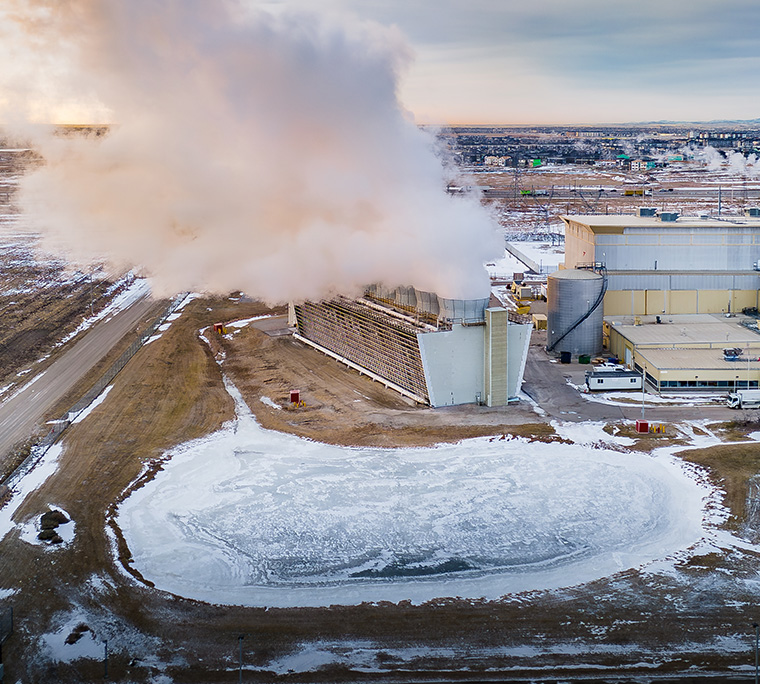
- Nuclear capacity surge: Canada is deploying more nuclear power projects than it has in generations. These projects are expected to produce approximately 22 GW by 2050.3
- Economic security and localization: There is an urgent need to build Canadian value chains. Using advanced manufacturing technologies in the nuclear sector can expand Canada’s capabilities. But these capabilities can only be realized with the right skills.
- Regional disparities: Nuclear capability varies across Canada. Building nuclear capacity in Western Canada will require understanding regional skill gaps against established regions like Ontario and New Brunswick.
By identifying these gaps and proposing solutions, this research can inform skills and workforce planning for nuclear utilities, as well as nuclear construction and manufacturing companies.
Research approach
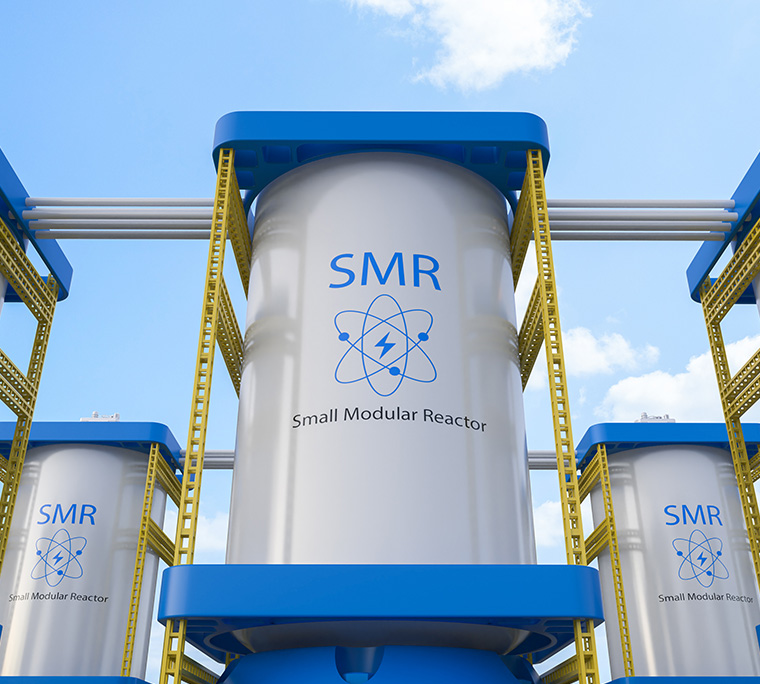
We will use a mixed-methods approach that combines an environmental scan, interviews, and a regional roundtable to understand skill requirements and gaps across Canada’s nuclear energy value chain:
- Interviews with organizations across manufacturing, construction, operations, and regulation will capture on-the-ground experience to help identify technology-specific differences and skills gaps.
- A regional roundtable with stakeholders from Western Canada will ground the findings in a regional context and link workforce needs to technology deployment and decarbonization priorities.
- The environmental scan will synthesize current public evidence on workforce needs for both conventional Canada deuterium uranium (CANDU) reactors and emerging SMR technologies.

Get involved
For further information or to participate in the research, please contact Babatunde Olateju,
Sustainability Director ([email protected]).
- Statistics Canada, “Nuclear Energy in Canada: Past, Present and Future,” Government of Canada, September 10, 2025.
- Natural Resources Canada, “COP28: Declaration to Triple Nuclear Energy (2023),” Government of Canada, last modified January 9, 2025.
- Canadian Nuclear Association, Projecting the Future Canadian Nuclear Workforce: 2026 Data Report, Canadian Nuclear Association, 2026.
FSC partners




The responsibility for the findings and conclusions of this research rests entirely with Signal49 Research.