

AI on the Horizon: April 17, 2026
Agentic AI for All
Canada’s latest AI news on the economy, society, and policy. What happens when AI stops acting like a better autocomplete and starts behaving more like a junior software developer? The newest model innovations excel at reasoning, execution, and learning. And full-on agentic AI platforms like OpenClaw, Claude Code, and OpenAI Codex are rewriting the rules of the digital world.
From Chatbot to Co-worker
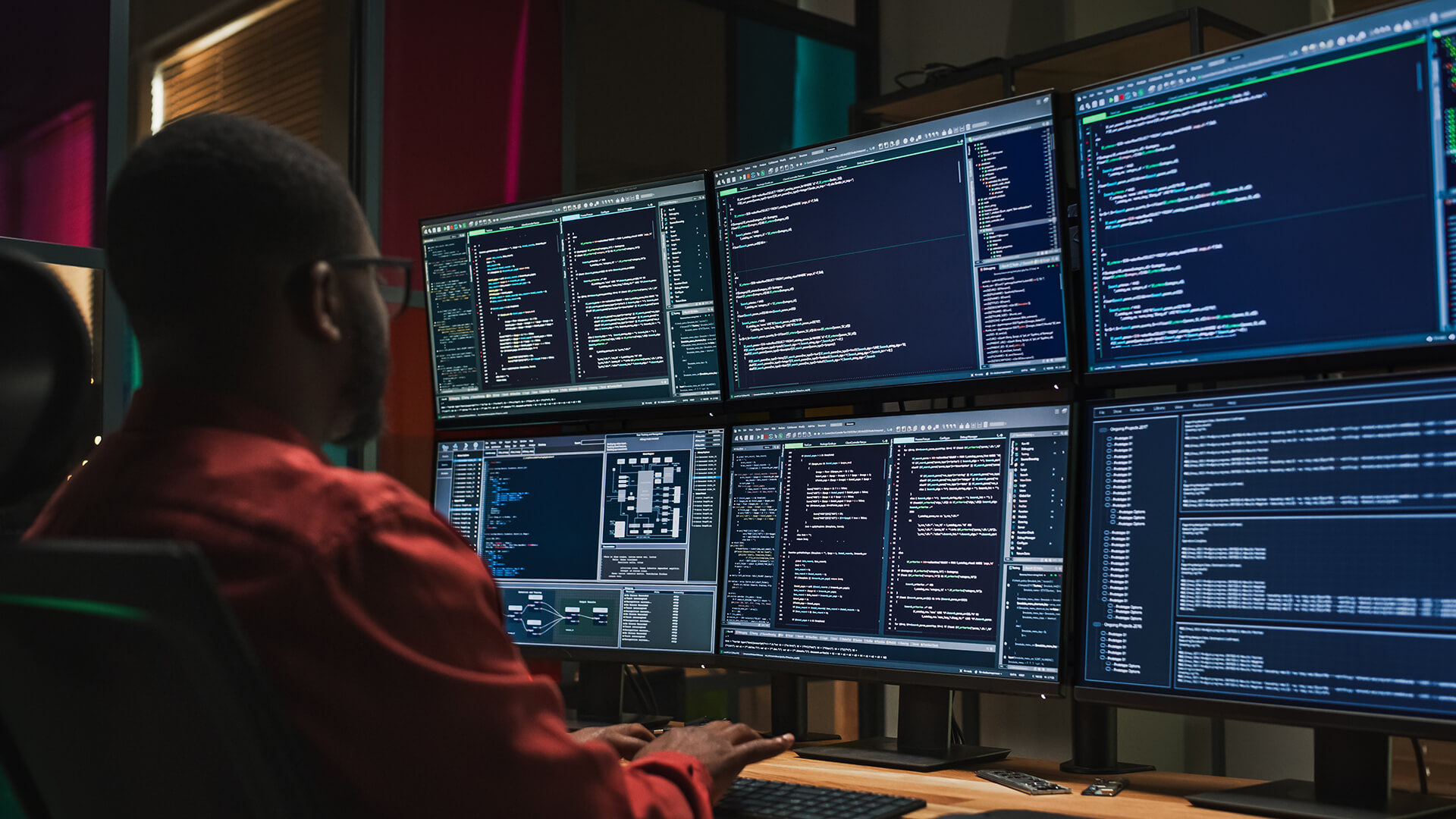
The first phase of generative AI was largely a content-production process, including text generation, summaries, image creation, and code suggestions. But times have changed, and the latest iteration is more consequential. These newer models can produce and search code, edit files, run tests, and perform complex digital tasks autonomously. Think of these as software engineering agents that can work on multiple tasks in parallel, automate workflows, organize those files you’ve had on your desktop for a decade, or respond to your overflowing inbox.
These applications could reduce the cost of coordinating and spending time on executing digital work. Recent reports estimate that AI capabilities are now growing on a hockey stick curve, doubling every 7 months. No wonder it has trouble telling time.
Still, better tools do not guarantee instant productivity. Another report found that experienced open-source developers took longer in early 2025, but an update suggests that newer tools may be improving outcomes.
Actions Speak Louder than Words
Just recently, Stanford’s 2026 AI Index report warned that AI’s capabilities are improving faster than the systems used to govern and evaluate it. Agentic AI was considered emerging until it was packaged and assembled for consumer use. At the end of 2025, the open-source project OpenClaw enabled AI agents to act without direct user input and to integrate with local applications and files. Within months, it was flagged for security issues due to its ability to complete tasks for which it was not intended and its susceptibility to cyberattacks. Instead of cleaning up your email folder, an agent might just delete it altogether. It can use your passwords, personal, and payment information if you give it full permissions to access your files. This is where wrong answers become wrong actions.
Mythos & Ethos
Speaking of security, recent innovations in Anthropic’s new model, Mythos, have enabled it to identify previously undiscovered (zero-day) cybersecurity risks in commonly used digital systems and software. Thankfully, the model is not being publicly released for fear of its misuse, and Minister Solomon claims that he is confident that we have robust measures in place. Regardless, Anthropic is cautiously rolling out this model and its findings to critical public and private organizations that are vulnerable to its exploitative capacity. With the ability to act and learn from its growing capabilities, the improvements that enable AI to develop software also make it effective at breaking it.
On the Horizon: Learning by Doing
Our last issue detailed the use of AI in military operations, and while that can be frightening, it did not directly affect our daily lives. Models are becoming more effective at improving productivity but also pose a greater risk of misuse. 2026 will mark the ‘age of the agent’, where AI acts on behalf of the user. And all the digital world’s a stage.

Check out our issue briefing to learn more about our new framework for estimating the exposure of different job tasks to new technologies such as AI, and the potential productivity gains.
Related Insights
-

WILing to Work: Rebuilding the First Rung of the Career Ladder
This op-ed was originally published by TheFutureEconomy.ca on August 10, 2026. A stronger work-integrated learning system can help Canadian graduates overcome a…
-

AI on the Horizon: June 22, 2026 Update
Canada’s AI for All Strategy Canada’s latest AI news on the economy, society, and policy. In this issue of AI…
-

A Workforce to Build Big
Française à suivre Future Skills Centre Podcast: Season 6, Episode 2 In this episode of the Future Skills Podcast, we…